

Trade Show Success Metrics Most Companies Ignore — The Hidden KPIs Driving ROI in 2026

Trade Show Success Metrics Most Companies Ignore — The Hidden KPIs Driving ROI in 2026
Explore Giveaway GiftsKey Takeaways
-
Trade show success cannot be measured by lead count alone; engagement quality and post-event momentum are stronger indicators of real ROI.
-
Most exhibitors ignore critical trade show success metrics like qualified lead ratio, cost per qualified conversation, and brand recall, which leads to underreported value.
-
Premium, personalized giveaway gifts often generate fewer but higher-intent interactions, improving exhibitor analytics and long-term pipeline impact.
-
Measuring what happens after the event—emails, meetings, and pipeline movement—is essential for accurate event ROI insights.
-
Exhibitors who track the right KPIs can defend budgets, optimize future events, and turn trade shows into predictable growth channels.
Introduction: Why “Busy Booths” Don’t Equal Trade Show Success
Walk any major trade show floor in the USA and you’ll see packed booths, overflowing swag bags, and badge scanners working overtime. On the surface, it looks like success. But weeks later, many exhibitors struggle to explain what they actually gained from the event.
This is where most companies go wrong.
They rely on surface-level metrics—footfall, total leads collected, or how “buzzed” the booth felt. Meanwhile, the metrics that truly determine event ROI insights, long-term pipeline value, and brand impact are quietly ignored.
For buyers of corporate giveaway gifts, this blind spot is costly. Premium giveaways—especially thoughtful, personalized ones—aren’t meant to be mass handouts. They’re strategic tools. When paired with the right exhibitor analytics, they can influence engagement quality, memory recall, and post-event conversion.
At ChocoCraft, we’ve seen this firsthand while working with brands using custom printed chocolate giveaways for trade shows across the USA. The difference between wasted spend and measurable success often comes down to what you track—not how much you spend.
This blog breaks down the trade show success metrics USA exhibitors overlook, why they matter, and how to use them to justify budget, improve outcomes, and make smarter event decisions.
If trade shows are a serious investment for your brand, it’s time to measure them seriously too.
Stand out from competitors by choosing unique giveaway gifts that go beyond standard pens and notebooks. Read more →
How Trade Show Measurement Became Broken
Trade shows were once judged on a simple equation: cost vs immediate sales. But modern B2B buying cycles—especially in the USA—don’t work that way anymore.
Today:
- Sales cycles are longer
- Buying committees are larger
- Brand trust is built over multiple touchpoints
Yet measurement hasn’t evolved at the same pace.
Many exhibitors still focus on vanity metrics:
- Total booth visitors
- Number of leads scanned
- Social buzz during the event
These numbers look impressive in post-event reports—but they rarely correlate with revenue.
According to multiple event marketing studies referenced by platforms like Reveal Marketing’s trade show ROI analysis , over 70% of trade show leads are never followed up properly, making raw lead volume a misleading success indicator. What actually matters is lead quality, engagement depth, and post-event behavior.
This disconnect explains why leadership often questions trade show budgets. Without overlooked trade show KPIs like engagement quality, follow-up conversion, or pipeline acceleration, events appear expensive and hard to justify.
Smart exhibitors are shifting toward exhibitor analytics that connect:
- Booth interaction to follow-up response
- Engagement to pipeline movement
- Gifting experience to brand recall
When measurement improves, trade shows stop being a “necessary expense” and start becoming a repeatable growth channel.
Corporate Giveaway Gifts for Expo, Exhibition & Trade Shows
Attract attention and drive brand recall with premium corporate giveaway gifts featuring personalized chocolate branding for expos and trade shows.
Explore Giveaway Gifts NowCore Problem: The Metrics Gap Costing Exhibitors ROI
The biggest challenge isn’t data availability—it’s metric selection.
Most companies track what’s easy, not what’s meaningful.
What Companies Track (But Shouldn’t Rely On Alone)
- Total leads collected
- Booth footfall
- Cost per lead without qualification
- Swag distribution count
These metrics answer “How busy were we?”—not “How effective were we?”
What They Ignore (And Why It Hurts)
Ignoring deeper trade show success metrics USA exhibitors need leads to inflated ROI expectations, poor post-event follow-up, inability to optimize future events, and budget cuts justified by incomplete data.
For example, a booth that collects 800 leads might outperform one that collects 200—but only if those leads convert. Without tracking qualified lead ratio, meeting bookings, or pipeline velocity, leadership has no real visibility.
This is especially relevant for corporate gifting strategies. A premium giveaway—like a personalized chocolate box—may be handed to fewer people, but those recipients often spend more time at the booth, engage in meaningful conversations, and remember the brand weeks later.
If you only track volume, these benefits disappear in reports.
The opportunity lies in aligning event ROI insights with actual buying behavior—not booth traffic.
Key Concepts & Framework: The Overlooked Trade Show KPIs That Matter
To measure trade shows properly, you need a multi-layered KPI framework—one that goes beyond leads and focuses on engagement, intent, and momentum.
Below are the most overlooked trade show KPIs smart exhibitors are now prioritizing.
1. Engagement Quality Score (Not Just Engagement Count)
Instead of asking “How many people stopped?”, ask how long they stayed, whether they interacted with content, and whether they asked buying-intent questions.
High-performing exhibitors track average booth dwell time, number of meaningful conversations per hour, and demo or sample interaction rates.
For example, brands using personalized giveaway gifts at expos often notice longer dwell times because recipients pause, read, and engage—creating space for real conversations.
Engagement quality is a stronger predictor of post-event success than raw traffic.
2. Qualified Lead Ratio (QLR)
Not all leads are equal.
Qualified Lead Ratio measures sales-qualified or marketing-qualified leads divided by total leads collected.
A booth generating fewer but highly qualified leads often outperforms high-volume booths in actual ROI.
This KPI helps answer whether the booth attracted the right audience and whether messaging and giveaways aligned with buyer intent.
For US trade shows with high attendee volumes, QLR protects you from false positives in ROI reporting.
3. Cost Per Qualified Conversation (CPQC)
This metric reframes cost efficiency.
Instead of cost divided by total leads, use cost divided by meaningful conversations or qualified interactions.
This is especially valuable for premium giveaway strategies, where higher per-unit cost is justified by deeper engagement.
A well-designed, branded chocolate giveaway may cost more than generic swag—but if it doubles qualified conversations, CPQC actually improves.
4. Post-Event Engagement Momentum
Most exhibitors stop measuring once the event ends. That’s a mistake.
Track email open and reply rates from trade show leads, meeting bookings within 14–30 days, and content downloads triggered post-event.
According to event ROI research shared by platforms like Engage Star’s event effectiveness insights , post-event response rates often correlate more strongly with revenue than booth metrics alone.
This KPI reveals whether your trade show presence actually moved prospects forward.
5. Brand Recall & Memory Triggers
Ask yourself whether prospects remember you a week later and whether they can recall what you offered.
Premium, sensory giveaways—like custom-printed chocolates—act as memory anchors, increasing recall without aggressive selling.
While harder to quantify, surveys, follow-up responses, and repeat booth mentions can indicate strong brand recall impact.
Coming up in Part 2: real data, research-backed insights, practical tracking methods, future trends, and how brands—including ChocoCraft clients—use these metrics to justify spend and outperform competitors.
Eco-friendly giveaway gifts resonate strongly with modern audiences and align well with sustainability-focused brand values. Read more →
Data, Research & Real-World Insights: What the Numbers Actually Reveal
When companies move beyond vanity metrics, the data often tells a very different story.
Industry research consistently shows that trade shows influence buying decisions long after the booth is dismantled. According to event ROI studies referenced by multiple B2B marketing publications, nearly 75% of trade show leads require multiple follow-ups before meaningful sales movement occurs. Yet many exhibitors stop tracking performance within days of the event.
What separates high-performing exhibitors is their use of exhibitor analytics tied to outcomes, not activity.
For example:
- Brands that track post-event meeting conversions are far more likely to attribute pipeline influence accurately.
- Exhibitors measuring lead-to-opportunity velocity often discover that trade shows shorten sales cycles—even when deals don’t close immediately.
- Companies using tangible, premium giveaway gifts see higher response rates in follow-up emails compared to generic swag recipients.
One overlooked insight is memory retention. Behavioral studies referenced by business publications such as Forbes Communications Council research on brand recall highlight that sensory experiences like taste, touch, and personalization significantly improve recall.
This is where thoughtfully designed giveaways—such as personalized chocolate boxes—quietly outperform forgettable items.
At ChocoCraft, brands using custom printed chocolates at US expos frequently report higher post-event email reply rates, easier re-engagement conversations, and stronger brand recall during later sales touchpoints.
None of these outcomes show up in basic lead counts, but they directly influence event ROI insights.
The data is clear: what you track determines what you improve.
Practical How-To: How to Track Overlooked Trade Show KPIs
Tracking overlooked trade show KPIs doesn’t require complex systems—just intentional planning.
Step 1: Define Success Before the Event
Start by aligning goals early. Are you prioritizing brand awareness, sales pipeline acceleration, or account-based engagement?
This strategic clarity aligns closely with guidance in this guide on trade show goals and success alignment .
Without clarity, metrics become meaningless.
Step 2: Design the Booth for Measurement
Measurement-friendly booths encourage longer dwell time, trigger conversations instead of just badge scans, and use memorable giveaways as conversation starters.
This approach is reinforced in this detailed guide on planning a successful trade show booth in the USA .
Step 3: Track Engagement, Not Just Leads
Train booth staff to log conversation quality, buying intent signals, and whether a premium giveaway was exchanged.
This aligns with best practices outlined in this trade show team preparation checklist .
Step 4: Measure Post-Event Momentum
Within 30 days of the event, track email open rates, reply rates, meeting bookings, and pipeline stage movement.
Pair these insights with financial context from this trade show budget breakdown resource .
Step 5: Compare Across Events
Over time, patterns emerge around which shows deliver higher-quality conversations, which gifting formats drive follow-up success, and which events justify repeat investment.
This process becomes easier when guided by this guide on choosing the right trade show for your industry .
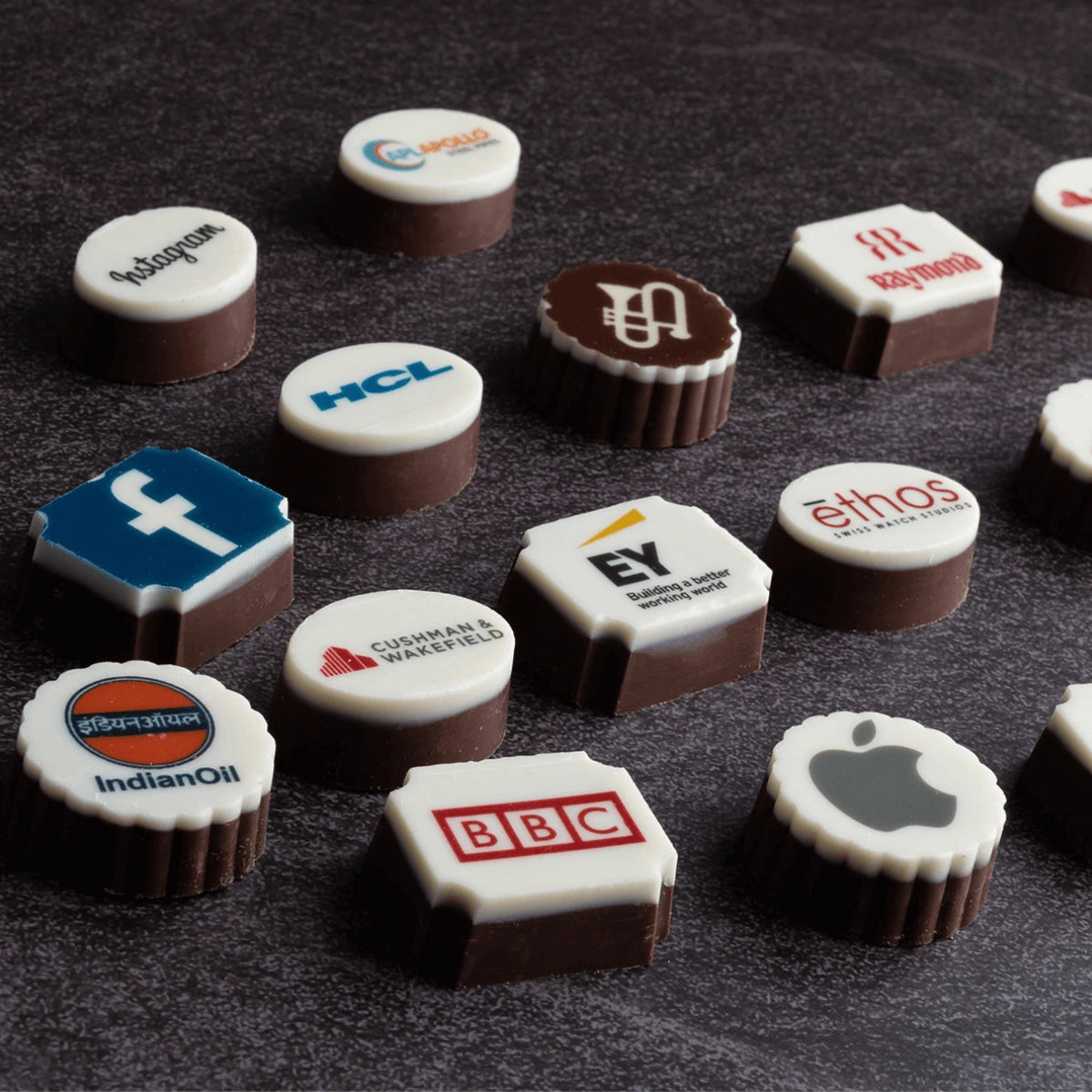
Personalized Corporate Giveaway Chocolates
Custom-branded chocolate giveaway gifts designed to boost visibility at exhibitions and corporate events.
Customize for Your BrandTrends & Future Outlook: Where Trade Show Measurement Is Headed
Trade show measurement in the USA is evolving rapidly.
Three trends are shaping the future.
Quality Over Quantity Becomes the Norm
Leadership teams are demanding pipeline influence, not just lead volume. Expect more emphasis on qualified engagement metrics and fewer conversations centered on booth traffic alone.
Physical and Digital Measurement Blends
QR-triggered follow-ups, CRM integration, and personalized gifting are making it easier to connect offline interactions with online behavior.
Experience-Driven ROI Gains Importance
Experiential elements—such as premium, personalized giveaway gifts—are increasingly recognized as conversion accelerators rather than discretionary costs.
As competition intensifies on the show floor, exhibitors who understand overlooked trade show KPIs will consistently outperform those chasing visibility alone.
The future belongs to brands that measure meaning—not motion.
Budget-friendly giveaway gifts can still feel premium when chosen strategically—focus on usefulness over quantity. Read more →
Conclusion: Measure What Actually Moves Revenue
Trade show success isn’t about how busy your booth looked—it’s about what happened because you were there.
The most successful exhibitors track engagement quality, qualified conversations, and post-event momentum rather than surface-level activity.
When you align trade show success metrics USA exhibitors ignore with real buyer behavior, trade shows become predictable growth drivers instead of hard-to-justify expenses.
For brands investing in premium experiences—whether through booth design, trained teams, or thoughtfully designed corporate giveaway gifts like ChocoCraft’s printed chocolate boxes—the payoff becomes clear when the right metrics are in place.
If you’re planning your next US trade show and want your giveaways to drive measurable engagement—not just disappear into tote bags—explore ChocoCraft’s curated solutions for exhibitors:
Giveaway gifts for expos and trade shows
Customized corporate chocolate gift boxes
Because when success is measured correctly, every interaction counts—and every giveaway works harder.

Mini Coupon Box as Giveaway
📦 Box: Logo + “Here’s a Deal”
📝 Message Inside: Coupon code — “Use this for 20% off today only”
🍫 Chocolates: One with “20% OFF”, one with “Special Offer” or logo
🎯 Purpose: Converts booth visitors into instant buyers by creating urgency and measurable online sales.
Make it for your BrandKey Information
| Metric Name | What It Measures | Why It Matters for Exhibitors |
|---|---|---|
| Engagement Quality Score | Depth of booth interactions, dwell time, and conversation quality | Predicts post-event conversion better than booth traffic |
| Qualified Lead Ratio | Percentage of sales-ready or high-intent leads | Prevents inflated ROI from low-quality lead volume |
| Cost Per Qualified Conversation | Spend divided by meaningful interactions | Shows true efficiency of premium giveaways and booth strategy |
| Post-Event Engagement Rate | Email replies, meeting bookings, follow-ups | Indicates whether the event moved prospects forward |
| Lead-to-Opportunity Velocity | Speed at which leads enter the sales pipeline | Reveals how trade shows accelerate buying decisions |
| Brand Recall Indicators | Memory and recognition after the event | Demonstrates long-term impact of experiential giveaways |
| Event-to-Pipeline Influence | Contribution to active sales opportunities | Helps justify trade show budgets to leadership |
Frequently Asked Questions (FAQs)
1. How do I measure trade show success beyond lead count?
Trade show success should be measured using engagement quality, qualified lead ratio, and post-event conversion metrics. Instead of focusing only on how many leads you collected, track how many resulted in meetings, follow-ups, or pipeline movement. These trade show success metrics provide more accurate event ROI insights, especially for B2B exhibitors with longer sales cycles.
2. What are the most overlooked trade show KPIs?
Overlooked trade show KPIs include cost per qualified conversation, post-event engagement rate, lead-to-opportunity velocity, and brand recall indicators. Many exhibitors track booth traffic but ignore what happens after the event. These overlooked metrics help exhibitors understand whether their booth interactions actually influenced buying decisions.
3. Why is engagement quality more important than booth footfall?
High booth traffic doesn’t always translate into revenue. Engagement quality focuses on how long attendees stayed, what they discussed, and whether there was buying intent. Exhibitor analytics consistently show that fewer high-quality conversations outperform large volumes of casual interactions when it comes to trade show ROI in the USA.
4. How can corporate giveaway gifts impact trade show ROI?
Corporate giveaway gifts, especially personalized or premium ones, can significantly improve engagement quality and brand recall. Instead of being forgotten, thoughtful giveaways act as memory triggers that support follow-up conversations. When tracked correctly, they often reduce cost per qualified conversation and improve post-event response rates.
5. What is a qualified lead ratio and why does it matter?
Qualified lead ratio measures how many collected leads meet your sales or marketing qualification criteria. This metric matters because it filters out low-intent contacts and gives a realistic view of trade show performance. A high qualified lead ratio often correlates with stronger pipeline contribution and better event ROI insights.
6. How long should exhibitors track results after a trade show?
Exhibitors should track performance for at least 30 to 90 days after a trade show. Many deals influenced by events don’t close immediately. Tracking post-event engagement, meetings, and pipeline movement over time provides a clearer picture of trade show success metrics and long-term ROI.
7. Are trade shows still worth the investment in the USA?
Trade shows are still highly valuable when measured correctly. When exhibitors use the right KPIs and align giveaways, booth strategy, and follow-ups with clear goals, trade shows become predictable growth channels. The issue isn’t the channel—it’s relying on outdated metrics that fail to capture true impact.
8. What tools help with exhibitor analytics and measurement?
CRM systems, lead qualification frameworks, and post-event reporting dashboards are commonly used to track exhibitor analytics. Even simple methods like tagging leads by engagement level or gift interaction can reveal valuable insights. The key is consistency and defining metrics before the event begins.
9. How do I explain trade show ROI to leadership?
Instead of reporting lead counts, present leadership with metrics tied to outcomes: qualified leads, meetings booked, pipeline value, and sales velocity. These event ROI insights make it easier to justify budgets and demonstrate how trade shows contribute to revenue, not just visibility.
10. What’s the biggest mistake companies make when evaluating trade shows?
The biggest mistake is stopping measurement when the event ends. Companies that ignore post-event performance miss the real value of trade shows. By tracking follow-ups, engagement momentum, and conversion data, exhibitors can uncover insights that significantly change how success is perceived.
