

The Most Common Trade Show Planning Mistakes Companies Make—and How to Avoid Costly ROI Losses

The Most Common Trade Show Planning Mistakes Companies Make—and How to Avoid Costly ROI Losses
Explore Giveaway GiftsKey Takeaways
-
Trade show success in the USA depends more on planning quality than booth size or budget.
-
Most trade show planning mistakes stem from unclear goals, poor follow-up, and generic giveaways.
-
Premium, personalized corporate giveaways significantly improve brand recall and post-event engagement.
-
Exhibitors who align booth strategy, team training, and gifting consistently see higher trade show ROI.
-
Measuring success beyond footfall and badge scans is critical to avoiding repeat event marketing mistakes.
Introduction: Why Trade Shows Fail More Often Than Companies Admit
Trade shows promise visibility, leads, partnerships, and brand credibility. Yet for many U.S. companies, the reality looks very different—high costs, low engagement, and disappointing ROI. The problem isn’t trade shows themselves; it’s trade show planning mistakes.
Despite spending tens of thousands of dollars on booth space, travel, and promotions, exhibitors often overlook the basics: clear goals, attendee psychology, and memorable touchpoints. A rushed giveaway decision or a poorly briefed booth team can undo months of preparation.
For brands investing in corporate giveaway gifts, this is especially critical. A trade show gift is often the only physical reminder a prospect takes home. When done right—like premium, customized chocolate gifts from ChocoCraft—it reinforces brand recall and follow-ups. When done wrong, it ends up forgotten in a hotel trash can.
Before you invest in your next trade show giveaway gifts, let’s unpack the most common exhibitor errors—and how to avoid them.
Stand out from competitors by choosing unique giveaway gifts that go beyond standard pens and notebooks. Read more →
Why Trade Show Planning Is Harder Than It Looks
Trade shows in the USA have evolved. Attendees are overloaded with booths, pitches, and freebies. According to the Center for Exhibition Industry Research, the average attendee visits 26–30 booths per event—meaning attention is scarce.
Yet many companies still plan trade shows like it’s 2010:
- Same booth design
- Same generic swag
- Same vague goals
Meanwhile, buyers expect experiences, not brochures. Business leaders reading Harvard Business Review consistently emphasize that physical experiences shape trust faster than digital ads.
Trade shows remain powerful—but only when planning aligns with buyer behavior, not internal assumptions.
Corporate Giveaway Gifts for Expo, Exhibition & Trade Shows
Attract attention and drive brand recall with premium corporate giveaway gifts featuring personalized chocolate branding for expos and trade shows.
Explore Giveaway Gifts NowThe Core Problem: Why Most Exhibitors Struggle With ROI
The biggest trade show pitfall isn’t budget—it’s misalignment.
Common problems include:
- No clarity on whether the goal is leads, awareness, or partnerships
- Measuring success by footfall instead of conversions
- Treating giveaways as “free stuff” instead of brand assets
Forbes notes that companies often repeat trade shows annually without reviewing performance data—essentially guessing their way through event marketing.
When planning lacks strategy, even expensive booths and large teams fail to deliver results.
Key Trade Show Planning Mistakes Companies Make
Mistake #1: Choosing the Wrong Trade Show
Not every trade show fits your audience. Many exhibitors select events based on size or reputation rather than buyer relevance.
A smarter approach:
- Match attendee profiles to your ICP
- Review past exhibitor ROI
- Align event goals with your sales funnel
Related reading: How to choose the right trade show for your industry
Mistake #2: Treating Giveaways as an Afterthought
Generic pens, stress balls, and keychains rarely survive the flight home. Attendees remember useful, premium, and consumable items.
High-impact giveaway principles:
- Sensory engagement (taste, texture, packaging)
- Clear brand personalization
- Easy portability
This is where custom printed chocolates in elegant boxes quietly outperform traditional swag.
Mistake #3: Untrained Booth Staff
Your booth team is your brand’s frontline. Yet many teams are unsure how to qualify leads, unclear on messaging, or focused on chatting instead of converting.
Preparation matters more than booth size. Recommended read: How to prepare your team for a trade show
Mistake #4: No Follow-Up Strategy
According to Statista, over 75% of trade show leads never receive structured follow-up.
Without CRM tagging, follow-up timelines, and personalized reminders, even great leads go cold.
Data, Research & Real-World Examples: What the Numbers Reveal About Trade Show Mistakes
Trade show planning mistakes aren’t just anecdotal—they’re measurable, repeatable, and expensive.
According to research by the Center for Exhibition Industry Research, nearly 52% of exhibitors say they struggle to measure meaningful ROI from trade shows. This isn’t because ROI is impossible to track—but because many companies don’t plan for measurement in advance.
Meanwhile, Statista shows that U.S. businesses spend $13+ billion annually on trade shows, yet a majority allocate less than 5% of that budget to attendee experience elements like engagement tools and memorable giveaways.
A revealing insight from Forbes highlights that most exhibitors still judge success based on:
- Booth traffic
- Number of brochures distributed
- Badge scans
What they fail to track:
- Quality of conversations
- Post-event follow-ups
- Brand recall after 30–60 days
Real-World Example
A mid-sized B2B technology firm exhibiting in Las Vegas changed just one element after years of underperformance: they replaced generic swag with premium, personalized consumable gifts.
Instead of stress balls, they offered branded chocolate gift boxes with custom messaging—something prospects were happy to take back to their hotel rooms and offices.
Results:
- 38% higher email open rates post-event
- 29% increase in qualified demo requests
- Significantly higher brand recall during follow-up calls
This aligns with findings published in Harvard Business Review, which notes that physical objects create stronger memory anchors than digital interactions alone—especially in crowded, high-noise environments like trade shows.
Eco-friendly giveaway gifts resonate strongly with modern audiences and align well with sustainability-focused brand values. Read more →
Practical How-To: How to Avoid These Trade Show Pitfalls Step by Step
Avoiding common trade show planning mistakes isn’t about spending more—it’s about planning smarter.
Here’s a practical framework companies can follow:
1. Start With One Clear Objective
Before booking booth space, define whether your primary goal is:
- Brand awareness
- Lead generation
- Partner discovery
Trying to achieve all three usually results in failure at all three.
See: Trade show goals: brand awareness vs lead generation
2. Align Giveaways With Buyer Psychology
Trade show giveaways should act as post-event brand reminders, not just booth bait.
High-performing giveaway traits:
- Useful or consumable
- Easy to carry
- Visually premium
- Clearly branded but not promotional
This is why corporate chocolate gifts, especially customized with logos or messages, consistently outperform low-cost swag in follow-up recall.
Explore options like:
3. Prepare Your Team Like Sales, Not Hosts
One of the biggest exhibitor errors is treating booth staff as greeters instead of revenue drivers.
Before the event, ensure:
- Everyone knows the qualifying questions
- Messaging is consistent
- There’s a clear handoff process for hot leads
Recommended read: How to prepare your team for a trade show
4. Build Follow-Up Into the Plan—Before the Show
A trade show isn’t over when the booth closes.
Best practices:
- Segment leads within 48 hours
- Reference the giveaway or conversation in follow-ups
- Schedule touchpoints over 30–90 days
Many companies miss this entirely, which is why McKinsey Quarterly emphasizes that experience continuity is what turns interactions into revenue—not the event itself.
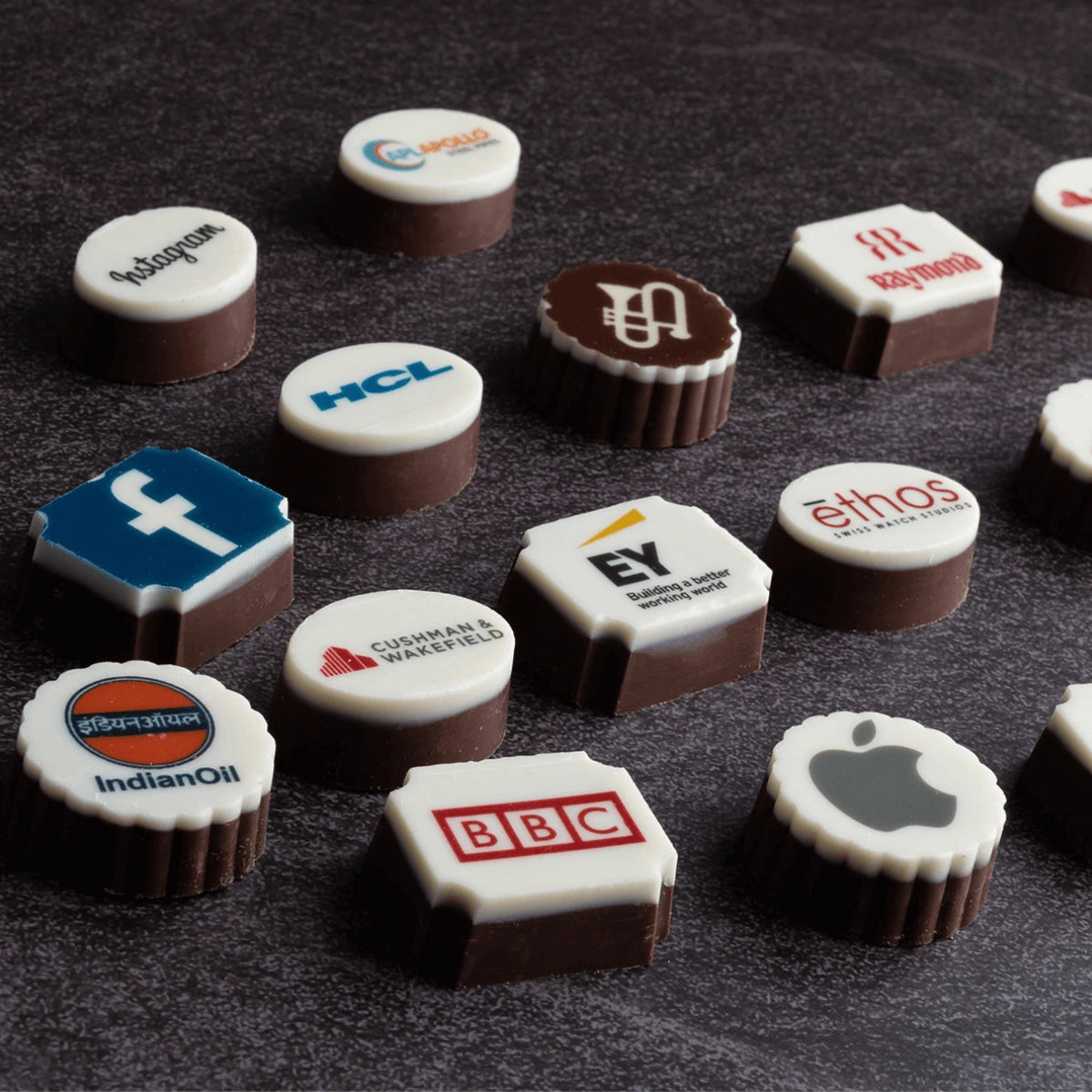
Personalized Corporate Giveaway Chocolates
Custom-branded chocolate giveaway gifts designed to boost visibility at exhibitions and corporate events.
Customize for Your BrandTrends & Expert Insights: Where Trade Shows Are Headed Next
Trade shows in the USA are becoming smaller, more targeted, and experience-driven.
Key trends shaping exhibitor success:
- Fewer events, higher spend per event
- Personalized engagement over mass distribution
- Premium gifting replacing bulk swag
Buyers are fatigued by cluttered booths and forgettable handouts. They respond better to thoughtful, high-quality interactions—especially when those interactions extend beyond the show floor.
This is why more brands are shifting budgets from quantity to quality, opting for fewer giveaways that actually get remembered.
Budget-friendly giveaway gifts can still feel premium when chosen strategically—focus on usefulness over quantity. Read more →
Conclusion: Turning Mistakes Into Measurable Wins
Trade shows don’t fail because they’re ineffective. They fail because of avoidable planning mistakes.
- Trade show ROI starts with clarity, not creativity
- Generic giveaways dilute brand value
- Premium, personalized gifts improve recall and follow-up
- Measurement and follow-up define success
When planned well, trade shows remain one of the most powerful channels for B2B relationship-building in the USA.
If you’re investing in your next event, explore corporate gifting solutions that help your brand stand out—long after the booth lights go off.

Mini Coupon Box as Giveaway
📦 Box: Logo + “Here’s a Deal”
📝 Message Inside: Coupon code — “Use this for 20% off today only”
🍫 Chocolates: One with “20% OFF”, one with “Special Offer” or logo
🎯 Purpose: Converts booth visitors into instant buyers by creating urgency and measurable online sales.
Make it for your BrandKey Information
| Trade Show Element | Common Mistake Companies Make | Better, Proven Approach |
|---|---|---|
| Event Selection | Choosing shows based on size or hype | Selecting trade shows aligned with target buyers |
| Booth Strategy | Focusing only on design aesthetics | Designing booths around conversations & lead flow |
| Giveaways | Distributing cheap, generic swag | Using premium, personalized corporate gifts |
| Team Preparation | Booth staff untrained or inconsistent | Training teams like sales professionals |
| Lead Capture | Collecting contacts without segmentation | Qualifying and tagging leads in real time |
| Follow-Up | Delayed or generic post-event outreach | Personalized follow-up within 48 hours |
| ROI Measurement | Tracking only footfall and scans | Measuring conversions, recall, and revenue |
Frequently Asked Questions (FAQs)
1. What are the most common trade show planning mistakes companies make in the USA?
The most common trade show planning mistakes include choosing the wrong event, unclear goals, untrained booth staff, generic giveaways, and weak post-event follow-up. Many exhibitors also fail to measure real ROI, focusing only on booth traffic instead of lead quality and conversions, which leads to repeated event marketing mistakes year after year.
2. Why do trade shows fail to deliver ROI for many exhibitors?
Trade shows often fail because companies don’t align strategy, execution, and follow-up. Without clear objectives, thoughtful engagement, and meaningful giveaways, even high footfall doesn’t convert. Poor lead nurturing after the event is one of the biggest reasons trade show investments fail to generate measurable business results.
3. How important are giveaways in trade show success?
Giveaways play a critical role in trade show success because they act as physical brand reminders after the event. Generic swag is quickly forgotten, while premium, personalized corporate giveaway gifts improve recall, follow-ups, and engagement. In crowded U.S. trade shows, memorable giveaways help brands stand out long after the booth visit.
4. What type of trade show giveaways work best for B2B buyers?
B2B buyers respond best to giveaways that are useful, consumable, and premium. Personalized items—especially well-packaged consumables—tend to outperform low-cost promotional products. The goal isn’t quantity, but quality that reinforces brand value and encourages post-event conversations.
5. How can companies avoid exhibitor errors at trade shows?
Companies can avoid exhibitor errors by setting one primary goal per event, training booth staff thoroughly, choosing relevant trade shows, and planning follow-up before the event begins. Aligning giveaways, messaging, and lead capture around that single objective dramatically reduces common trade show pitfalls.
6. Is booth design more important than staff training?
Booth design attracts attention, but staff training drives results. A visually appealing booth cannot compensate for poorly trained staff who can’t qualify leads or communicate value. Successful exhibitors invest equally in booth layout and team preparation to maximize every interaction.
7. How soon should trade show follow-up begin?
Trade show follow-up should begin within 24 to 48 hours after the event. Quick, personalized outreach referencing the booth conversation or giveaway significantly improves response rates. Delayed follow-up is one of the most costly trade show planning mistakes companies make.
8. What metrics should be used to measure trade show success?
Beyond foot traffic and badge scans, exhibitors should track lead quality, follow-up engagement, meeting bookings, pipeline contribution, and brand recall. Measuring these metrics helps companies understand true trade show ROI and avoid repeating ineffective event marketing strategies.
9. Are fewer trade shows better than attending many events?
For many companies, attending fewer, well-aligned trade shows produces better results than spreading budgets across many events. Concentrated investment allows for better booth execution, higher-quality giveaways, stronger team preparation, and more effective follow-up—leading to improved ROI.
10. How do trade show trends in the USA affect planning today?
Trade show trends in the USA are shifting toward personalized, experience-driven engagement. Buyers expect meaningful interactions rather than mass promotions. Exhibitors who adapt by focusing on quality conversations, premium giveaways, and data-driven follow-up are better positioned to succeed in modern trade shows.
