

Trade Show Giveaway Compliance & Venue Rules in the USA: What Every Exhibitor Must Know Before Ordering Gifts

Trade Show Giveaway Compliance & Venue Rules in the USA: What Every Exhibitor Must Know Before Ordering Gifts
Explore Giveaway GiftsKey Takeaways
-
Trade show giveaways in the USA are governed by venue rules, event organizer policies, and local regulations, not just marketing preferences.
-
Food and edible giveaways face the highest scrutiny and often require advance approval, sealed packaging, and allergen transparency.
-
Many giveaway failures happen due to assumptions, not bad intent—most issues are avoidable with early planning.
-
Compliance-friendly giveaways distributed inside the booth outperform mass handouts both legally and in ROI.
-
Premium, compact, professionally manufactured giveaways reduce risk while improving brand recall and booth conversations.
Trade show giveaways seem simple—order branded items, place them on your booth counter, and let foot traffic do the rest. But in the USA, trade show giveaway rules are far more regulated than most exhibitors realize. What looks like a harmless chocolate box, tote bag, or promotional swag item can quickly turn into a compliance issue involving venue violations, food safety concerns, labor disputes, or exhibitor penalties.
Every major convention center in the United States operates like a small city. Fire marshals enforce safety codes, labor unions regulate who can do what on the show floor, venues mandate insurance coverage, and event organizers layer their own exhibitor regulations on top. Add all of this together, and your giveaway strategy becomes more than a marketing decision—it becomes a compliance exercise.
This is where many brands get caught off-guard. A giveaway that performs exceptionally well at one exhibition may be restricted or outright banned at another. Understanding venue compliance giveaways, event giveaway policies, and exhibitor regulations in the USA is no longer optional. It is essential for protecting your investment, your brand reputation, and your return on trade show spend.
If you are planning premium giveaways for your next expo, it is critical to explore giveaway gift options for trade shows early in the planning process. Compliance considerations should shape product selection from day one, not after your gifts have already been manufactured and shipped.
For B2B audiences, premium giveaway gifts signal credibility and help position your brand as high-value and trustworthy. Read more →
Why Trade Show Giveaway Rules Exist
Trade shows in the USA operate under a layered regulatory system. There is no single national law that governs trade show giveaways. Instead, compliance is enforced through three overlapping authorities that every exhibitor must navigate.
- Venue rules set by convention centers and exhibition halls
- Event organizer policies specific to each trade show
- Federal, state, and local regulations covering health, safety, labor, and insurance
Convention centers are typically governed by local municipalities and operate under strict oversight from fire departments and labor unions. This is why giveaway rules can vary significantly between cities such as Las Vegas, Chicago, Orlando, and New York—even when the exhibitor, booth size, and giveaway type remain the same.
For example, food giveaways often require prior approval or health department compliance. Items that block aisles or create crowd congestion may violate fire codes. Distribution methods may be restricted by union labor agreements. Promotional items with batteries, liquids, sharp edges, or moving parts are often subject to additional scrutiny.
This complexity explains why exhibitors increasingly ask, “Are giveaways allowed at US trade shows—and if yes, under what conditions?” The honest answer is that giveaways are allowed, but only when they meet the specific venue and event requirements.
Core Problem: Where Most Exhibitors Go Wrong
The biggest mistake exhibitors make is not choosing the wrong giveaway. It is assuming that all giveaways are allowed by default. This assumption leads to avoidable compliance problems that directly impact booth performance and lead generation.
One common error is ignoring venue-specific policies. Every convention center publishes an exhibitor or facility manual that outlines what is permitted on the show floor. These documents often include restrictions on giveaway size, placement, materials, and distribution methods. Many exhibitors do not review these details until move-in day, when changes are no longer possible.
Another frequent issue involves edible giveaways. Chocolates, snacks, and beverages are powerful engagement tools, but they are also among the most regulated items at US trade shows. Many venues require food items to be factory sealed, individually wrapped, and approved in advance. Failing to follow these rules can result in giveaways being removed or held in storage.
Insurance and liability considerations are also commonly overlooked. Some venues require exhibitors distributing physical or edible items to carry product liability insurance or name the venue as additionally insured. This requirement often comes as a surprise to exhibitors who plan giveaways late.
These mistakes do not just cause embarrassment. They directly impact trade show ROI. A giveaway that is removed on Day One delivers zero brand recall, no matter how premium or creative it may be. For a deeper understanding of how giveaways influence performance, read How Giveaway Gifts Impact Trade Show ROI .
Corporate Giveaway Gifts for Expo, Exhibition & Trade Shows
Attract attention and drive brand recall with premium corporate giveaway gifts featuring personalized chocolate branding for expos and trade shows.
Explore Giveaway Gifts NowKey Compliance Pillars Every Exhibitor Must Understand
Understanding trade show giveaway compliance in the USA becomes easier when broken down into a few core pillars. These pillars apply across most convention centers and events, regardless of industry.
Venue Compliance Rules
Venue rules always take priority. Even if an event organizer approves a giveaway concept, the convention center has the authority to veto it. Venue policies commonly regulate where giveaways can be distributed, how they are displayed, and whether they meet fire and safety requirements.
Many venues prohibit distribution outside the booth footprint. Others limit stacking, floor displays, or oversized packaging. Fire-retardant requirements may apply to certain materials, including rigid boxes or decorative elements.
Event Organizer Giveaway Policies
Event organizers add another layer of regulation to maintain order, fairness, and attendee experience. These policies often specify giveaway quantity limits, restrictions on raffles or contests, and rules against disruptive distribution tactics.
Some trade shows require exhibitors to submit giveaway details in advance, including photos and descriptions. This approval process is designed to prevent last-minute issues on the show floor.
Choosing a giveaway that is designed for booth-only distribution often performs better both from a compliance and lead-quality perspective. For guidance on strategic selection, refer to How to Choose the Right Giveaway for Your Trade Show Audience .
Food & Consumable Giveaway Considerations
Edible giveaways face the highest level of scrutiny due to health and liability concerns. Typical requirements include factory-sealed packaging, allergen labeling, and advance venue approval. On-site food preparation or open sampling is usually prohibited.
This is why professionally manufactured, individually wrapped chocolates are often more acceptable than informal or homemade food items. When executed correctly, edible giveaways remain one of the most effective engagement tools at US trade shows.
In the next section, we will explore real compliance scenarios, data-backed insights, and a practical checklist to help exhibitors navigate giveaway regulations with confidence.
Budget-friendly giveaway gifts can still feel premium when chosen strategically—focus on usefulness over quantity. Read more →
Data, Research & Real-World Compliance Scenarios
Compliance issues at trade shows rarely arise from intentional rule-breaking. In most cases, they stem from assumptions made during planning. Exhibitors often assume that if a giveaway is common or worked well at a previous event, it will automatically be allowed at the next one. In the USA, this assumption frequently leads to problems.
Industry discussions shared by exhibition associations and event professionals consistently highlight giveaways as one of the most common sources of on-floor warnings. Food items, boxed gifts, and high-perceived-value giveaways often attract additional scrutiny from venue staff, fire marshals, and event organizers.
One recurring scenario involves edible giveaways. An exhibitor ships hundreds or thousands of branded snack boxes or chocolates to a convention center, only to discover that food distribution details were required during advance exhibitor submission. Without prior approval, the shipment may be held in storage until clearance is granted, significantly reducing the impact of the giveaway during peak show days.
Another common issue arises with physical giveaways that create congestion. Stacking boxes near aisle edges or encouraging crowding during distribution can trigger fire safety concerns. In such cases, exhibitors may be instructed to remove giveaway displays or limit distribution to controlled interactions inside the booth.
Business publications such as Forbes and Harvard Business Review have frequently pointed out that trade show ROI erosion is often the result of operational oversights rather than poor marketing ideas. A giveaway that is removed or restricted mid-show not only loses impressions but can disrupt booth conversations and negatively affect brand credibility.
This is why experienced exhibitors increasingly treat giveaways as compliance-led assets rather than last-minute promotional add-ons. When planned correctly, giveaways support meaningful engagement instead of becoming liabilities. For a deeper look at engagement-driven distribution, read How to Use Giveaways to Start Conversations at Booths .
Practical How-To: A Compliance-First Giveaway Checklist
To avoid compliance challenges, seasoned event marketers follow a structured, compliance-first approach when selecting and distributing giveaways. This process reduces risk while preserving marketing effectiveness.
The first step is reviewing the venue exhibitor manual as early as possible. These documents include detailed sections on promotional materials, food and beverage distribution, fire safety, aisle clearance, and insurance requirements. Each venue has unique rules, and assumptions based on previous events can be misleading.
The second step involves cross-checking event organizer policies. Event manuals often impose stricter rules than the venue itself. These may include requirements for advance approval of giveaways, limitations on quantity, or restrictions on contests, raffles, and high-value items. When uncertainty exists, exhibitors should proactively share product details and images with exhibitor services teams.
For edible giveaways, packaging and food safety compliance are critical. Items should be professionally manufactured, factory sealed, and individually wrapped. Allergen and ingredient information should be clearly available. Open food sampling or on-site preparation is typically prohibited at US trade shows.
Insurance and liability verification is another essential step. Some venues require exhibitors distributing physical or consumable items to carry product liability insurance and list the venue as additionally insured. Addressing this requirement early prevents last-minute complications.
Finally, booth staff training is often overlooked. Even fully compliant giveaways can create problems if staff distribute items outside the booth footprint, block aisles, or unintentionally encourage crowding. Clear internal guidelines help ensure compliance throughout the event.
For exhibitors balancing compliance with cost efficiency, practical budgeting strategies are explained in Giveaway Budget Optimization for Trade Shows .
Choose giveaway gifts that naturally attract attention at exhibitions—items that spark curiosity help drive higher booth footfall. Read more →
Trends & Expert Insights Shaping Giveaway Compliance
Trade show giveaway compliance in the USA continues to evolve, with venues and organizers adopting stricter standards across several key areas. Understanding these trends helps exhibitors future-proof their strategies.
Food safety remains a growing focus. Venues are increasingly cautious about edible giveaways due to health, liability, and attendee safety considerations. Sealed packaging, traceability, and transparency around ingredients are becoming baseline expectations rather than optional precautions.
Sustainability is another emerging factor. Many convention centers and event organizers now discourage low-value, disposable swag that contributes to waste. Giveaways that are reusable, recyclable, or perceived as keepsakes are more likely to align with venue sustainability goals and attendee preferences.
There is also a noticeable shift toward quality over quantity. Organizers increasingly discourage mass handouts that create clutter or congestion. Thoughtful, conversation-driven distribution is viewed more favorably from both a compliance and experience standpoint.
These trends support the broader industry movement toward intentional gifting strategies. Insights into attendee perception of sustainable and meaningful giveaways are explored in Do Attendees Care About Sustainable Giveaways? .
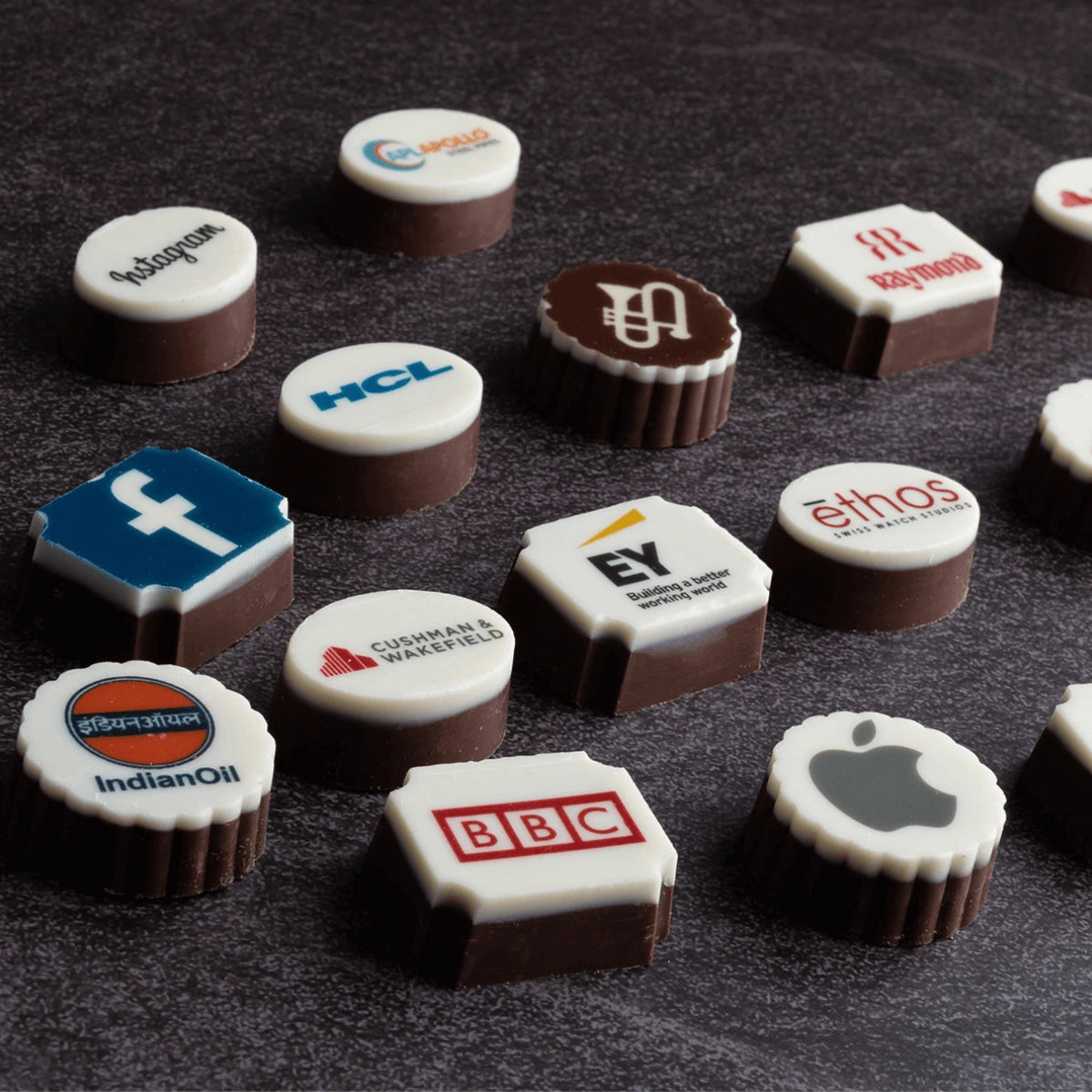
Personalized Corporate Giveaway Chocolates
Custom-branded chocolate giveaway gifts designed to boost visibility at exhibitions and corporate events.
Customize for Your BrandWhere ChocoCraft Fits into a Compliance-Led Strategy
Many corporate buyers approach ChocoCraft after encountering compliance challenges at US trade shows. Common issues include edible giveaways being rejected due to packaging concerns or premium gifts being flagged for placement or distribution methods.
Our experience working with exhibitors across industries has shown that professionally manufactured, custom printed chocolates in sealed packaging tend to align well with venue and organizer expectations. Compact box formats support booth-only distribution and reduce congestion risks while still delivering a premium brand experience.
ChocoCraft’s corporate gifting range is designed to support compliance-aware exhibitors without compromising memorability. Options include corporate gifting solutions as well as boxed formats such as 2 chocolate boxes , 4 chocolate boxes , 6 chocolate boxes , 9 chocolate boxes , 12 chocolate boxes , and 18 chocolate boxes .
Conclusion
Trade show giveaways in the USA are no longer just a creative or branding decision. They are a compliance decision that affects ROI, booth experience, and brand perception. Exhibitors who succeed are those who plan early, understand venue and organizer rules, and select giveaways designed for controlled, compliant distribution.
Key takeaways include prioritizing venue policies, treating edible giveaways as regulated assets, training booth staff, and favoring quality over quantity. When giveaways are planned with compliance in mind, they enhance conversations rather than create risk.
For further strategic perspective, explore Are Trade Show Giveaways Still Effective? and When Not to Give Giveaways at Trade Shows .

Call to Action - Chocolate Box
📦 Box: Logo + bold CTA — “Become Our Distributor” / “Partner With Us”
📝 Message Inside: Contact details + QR code to sales deck or lead form
🍫 Chocolates: One with “Let’s Partner”, one with logo
🎯 Purpose: Turns a premium gift into a partnership trigger—driving real business inquiries, not just brand recall.
Make it for your BrandKey Information
| Compliance Area | What Exhibitors Need to Know | Why It Matters |
|---|---|---|
| Venue Rules | Each convention center has its own giveaway, fire, and safety regulations | Venue rules override event approvals |
| Event Organizer Policies | Many shows require advance giveaway disclosure and approval | Prevents last-minute removal |
| Food & Edible Giveaways | Must be sealed, labeled, and sometimes pre-approved | Highest risk category for violations |
| Insurance & Liability | Some venues require product liability coverage | Protects against legal and financial risk |
| Distribution Method | Giveaways must usually stay within booth boundaries | Avoids fire marshal and crowding issues |
| Packaging & Size | Oversized or floor-stacked items may be restricted | Ensures aisle and safety compliance |
FAQs: Trade Show Giveaway Compliance & Venue Rules (USA)
1. Are giveaways actually allowed at trade shows in the USA?
Yes, giveaways are allowed at most US trade shows, but only when they comply with venue rules and event organizer policies. Items must follow safety, labor, and distribution guidelines. Assuming all giveaways are permitted without checking exhibitor manuals is one of the most common compliance mistakes.
2. What are the most common trade show giveaway rule violations?
The most frequent violations involve food giveaways without approval, oversized or floor-stacked items, distribution outside booth boundaries, and lack of required insurance. These issues often lead to giveaways being removed mid-event, which directly impacts engagement and ROI.
3. Do food or chocolate giveaways need special permission?
In many US venues, yes. Food giveaways often require factory-sealed packaging, allergen labeling, and advance disclosure. Some venues require explicit approval before distribution. Professionally manufactured edible giveaways are generally easier to approve than open or homemade food items.
4. Can exhibitors hand out giveaways in aisles or common areas?
Most convention centers prohibit giveaway distribution outside the booth footprint. Aisle handouts can cause congestion and fire safety issues. Even compliant giveaways can be restricted if staff distribute them beyond approved booth boundaries.
5. Why do venue rules differ from city to city in the USA?
Convention centers are governed by local municipalities, fire departments, and labor unions. This means giveaway rules in Las Vegas may differ significantly from those in Chicago or New York, even for the same event format and booth size.
6. What happens if a giveaway violates venue or event rules?
Consequences range from warnings and forced removal to storage holds or exhibitor penalties. In severe cases, repeated violations can affect an exhibitor’s standing with event organizers, reducing future participation opportunities.
7. Are high-value or premium giveaways more likely to be restricted?
Yes, premium giveaways often receive more scrutiny due to perceived value, liability, and crowd-drawing potential. However, when packaged compactly and distributed intentionally inside the booth, premium gifts can still be fully compliant and highly effective.
8. Do I need insurance to give away promotional items?
Some venues require exhibitors distributing physical or edible giveaways to carry product liability insurance and name the venue as additionally insured. This requirement is often listed in exhibitor manuals and should be confirmed early in planning.
9. How can exhibitors reduce giveaway compliance risk?
The best approach is early planning. Review venue manuals, check event organizer policies, submit giveaway details in advance, and train booth staff on proper distribution. Compliance should shape giveaway selection, not be an afterthought.
10. Are compliant giveaways still effective for lead generation?
Absolutely. In fact, compliant giveaways distributed during meaningful booth conversations often outperform mass handouts. They create stronger brand recall, better lead quality, and fewer operational disruptions during the show.
