

The Ultimate Trade Show Day Checklist for Booth Teams (What Top Exhibitors Do Differently)

The Ultimate Trade Show Day Checklist for Booth Teams (What Top Exhibitors Do Differently)
Explore Giveaway GiftsKey Takeaways
-
Trade show success depends more on daily booth execution than booth design or budget.
-
A clear trade show day checklist for booth teams reduces chaos, fatigue, and missed opportunities.
-
Defined roles, structured lead capture, and controlled giveaway distribution significantly improve ROI.
-
Peak-hour planning and end-of-day reviews are critical but commonly overlooked by exhibitors.
-
Premium, well-timed giveaways outperform generic swag when tied to meaningful conversations
Introduction: Why Trade Show Days Go Sideways Without a Checklist
Trade show floors are loud, crowded, fast-moving, and mentally exhausting. Even the most experienced booth teams can slip into reactive mode once the doors open. Someone forgets the lead scanner. Giveaways disappear by noon. Messaging gets inconsistent. Energy drops by mid-afternoon.
This is exactly why top-performing exhibitors rely on a trade show day checklist—not as a rigid rulebook, but as a shared operating system for the booth team.
A well-structured booth team checklist aligns everyone on priorities: who does what, when breaks happen, how visitors are handled, and how leads are captured without chaos. It reduces decision fatigue and keeps execution sharp, even during peak traffic hours.
Whether you’re showcasing a premium product, running demos, or distributing curated giveaways like branded chocolates, daily booth execution directly impacts ROI. This guide is written for exhibitors who want fewer missed opportunities and more meaningful conversations—without burning out their team.
If your booth relies on premium giveaway gifts at expos and trade shows , planning distribution from the first hour matters more than most teams realize.
For B2B audiences, premium giveaway gifts signal credibility and help position your brand as high-value and trustworthy. Read more →
The Hidden Complexity of Trade Show Execution
Most exhibitors spend months planning booth design, graphics, and pre-show promotions. Ironically, the actual show day operations are often improvised.
According to insights published in Harvard Business Review , frontline execution is where strategy either comes alive—or quietly fails. Trade shows compress sales, marketing, operations, and brand experience into a few intense hours. Without structure, even strong teams default to survival mode.
Common challenges include uneven staffing during rush periods, inconsistent brand messaging across team members, poor handoffs between greeters and closers, giveaways being handed out too early or to the wrong audience, and leads captured without context or qualification.
This is why experienced exhibitors treat each show day like a mini operating cycle: open, peak, slow, and close. A daily checklist ensures consistency across all phases, regardless of fatigue or footfall spikes.
The Core Opportunity: Turning Chaos Into Controlled Momentum
A trade show day checklist isn’t about micromanagement—it’s about clarity.
When booth teams know their exact role during each time block, how to engage different visitor types, when and how giveaways should be used, and what defines a qualified lead, the booth runs smoother, conversations go deeper, and follow-ups become more effective.
Research cited by MIT Sloan Management Review shows that teams perform better in high-pressure environments when expectations are explicit and repeatable. At trade shows, that repeatability becomes your competitive advantage.
Instead of asking, “What should I do now?”, booth staff can focus on what matters most: listening, connecting, and representing the brand well.
Budget-friendly giveaway gifts can still feel premium when chosen strategically—focus on usefulness over quantity. Read more →
Key Pillars of a Trade Show Day Checklist for Booth Teams
1. Pre-Show Morning Readiness (Before Doors Open)
The trade show day starts long before attendees arrive.
Morning checklist essentials include booth setup fully inspected, giveaways counted and segmented, lead capture tools tested, and a team briefing conducted to align on goals, messaging, and roles.
This is also the moment to align on giveaway strategy. High-quality items—like customized chocolate gift boxes—should be reserved for meaningful interactions, not casual passersby. Premium giveaways work best when paired with conversation, not volume distribution.
A quick team huddle sets the tone for the day and prevents misalignment later.
2. Clear Booth Team Roles & Rotations
One of the biggest execution mistakes exhibitors make is letting everyone do everything.
Effective booths assign specific roles such as greeter, conversational qualifier, product expert, lead capture coordinator, and giveaway manager. This structure prevents overcrowding and ensures visitors aren’t overwhelmed.
It also helps manage energy throughout the day—something many teams underestimate.
For deeper strategies, see staff rotation and energy management at trade shows .
3. Visitor Engagement Standards (Consistency Matters)
Every visitor should experience the booth the same way—whether they arrive at 10 AM or 4 PM.
That means agreed-upon opening lines, clear criteria for qualifying interest, and a defined transition from conversation to giveaway.
Consistency builds trust. As noted in Forbes articles on experiential marketing, brand perception is shaped by micro-interactions, not just visuals.
This is where a well-designed checklist prevents improvisation from turning into confusion.
4. Controlled Giveaway Distribution (Not a Free-for-All)
Giveaways are not souvenirs—they’re conversation anchors.
Premium, customized gifts perform best when used after a meaningful exchange, tied to a name or discussion point, and presented as a thank-you rather than bait.
Brands using curated options like corporate gifts often see better recall because the item feels intentional and personal.
Your booth team checklist should clearly define who can give gifts, to whom, and at what stage of interaction.
5. Midday Reset & Performance Check
Halfway through the show day, most teams push through without pausing. Top exhibitors do the opposite.
A quick reset helps reassign staff based on energy levels, review lead quality, adjust giveaway pacing, and refine opening lines if needed.
Industry data from Statista shows that peak traffic often clusters around predictable windows.
Corporate Giveaway Gifts for Expo, Exhibition & Trade Shows
Attract attention and drive brand recall with premium corporate giveaway gifts featuring personalized chocolate branding for expos and trade shows.
Explore Giveaway Gifts NowLead Capture That Actually Converts (Not Just Collects Contacts)
Capturing leads is easy. Capturing usable, high-intent leads is where most booth teams struggle.
By mid-day, many exhibitors fall into one of two traps: scanning everyone “just in case” or letting conversations end without any structured follow-up notes.
Both lead to bloated CRMs and disappointed sales teams.
What a strong lead-capture checklist includes is a clear definition of a qualified versus unqualified lead, mandatory note fields such as pain points or urgency, immediate tagging such as hot, warm, or nurture, and verbal confirmation of next steps with the visitor.
According to insights published in Harvard Business Review , sales follow-ups are significantly more effective when contextual notes accompany contact data. At trade shows, that context disappears fast if it’s not captured instantly.
This is where booth discipline matters more than booth size.
For deeper guidance, see how to qualify visitors without being pushy .
Choose giveaway gifts that naturally attract attention at exhibitions—items that spark curiosity help drive higher booth footfall. Read more →
Managing Peak Hours Without Burning Out the Team
Peak traffic is where most opportunities are won—or lost.
When booths get crowded, conversations become rushed, strong prospects wait while casual visitors linger, and staff energy drains faster than expected.
A trade show execution guide must plan for peak hours deliberately, not reactively.
Peak-hour booth checklist items include assigning strongest communicators to front-facing roles, shifting product experts to deeper conversations only, temporarily pausing giveaway distribution for unqualified traffic, and rotating staff every 60 to 90 minutes.
Research shared by MIT Sloan Management Review highlights how short, structured breaks dramatically improve cognitive performance in high-stimulation environments. Trade show floors are exactly that.
This is also where understanding crowd psychology at trade shows gives experienced exhibitors an edge.
Handling “Just Looking” Attendees Gracefully
Every booth gets them. The mistake is treating all “just looking” visitors the same.
Some are genuinely browsing. Others are warming up. A few are competitors scouting.
A practical booth team checklist prepares staff to acknowledge interest without pressure, offer light engagement instead of full demos, and exit politely without wasting time.
A simple script and clear exit cues prevent awkward interactions and free staff for higher-value conversations.
Related strategies are explained in how to handle just-looking attendees and what to say in the first 10 seconds at a booth .
Competitor Proximity & Unexpected Situations
Trade show days rarely go exactly as planned.
Common curveballs include aggressive neighboring booths, competitors sending mystery shoppers, last-minute layout changes, and technology failures.
Your daily checklist should include contingency protocols such as how to respond if a competitor overhears conversations, what staff should and should not disclose, and who escalates issues internally.
Business press coverage from Forbes emphasizes that how brands behave under pressure often leaves a stronger impression than their planned messaging.
See also handling competitors at neighboring booths .
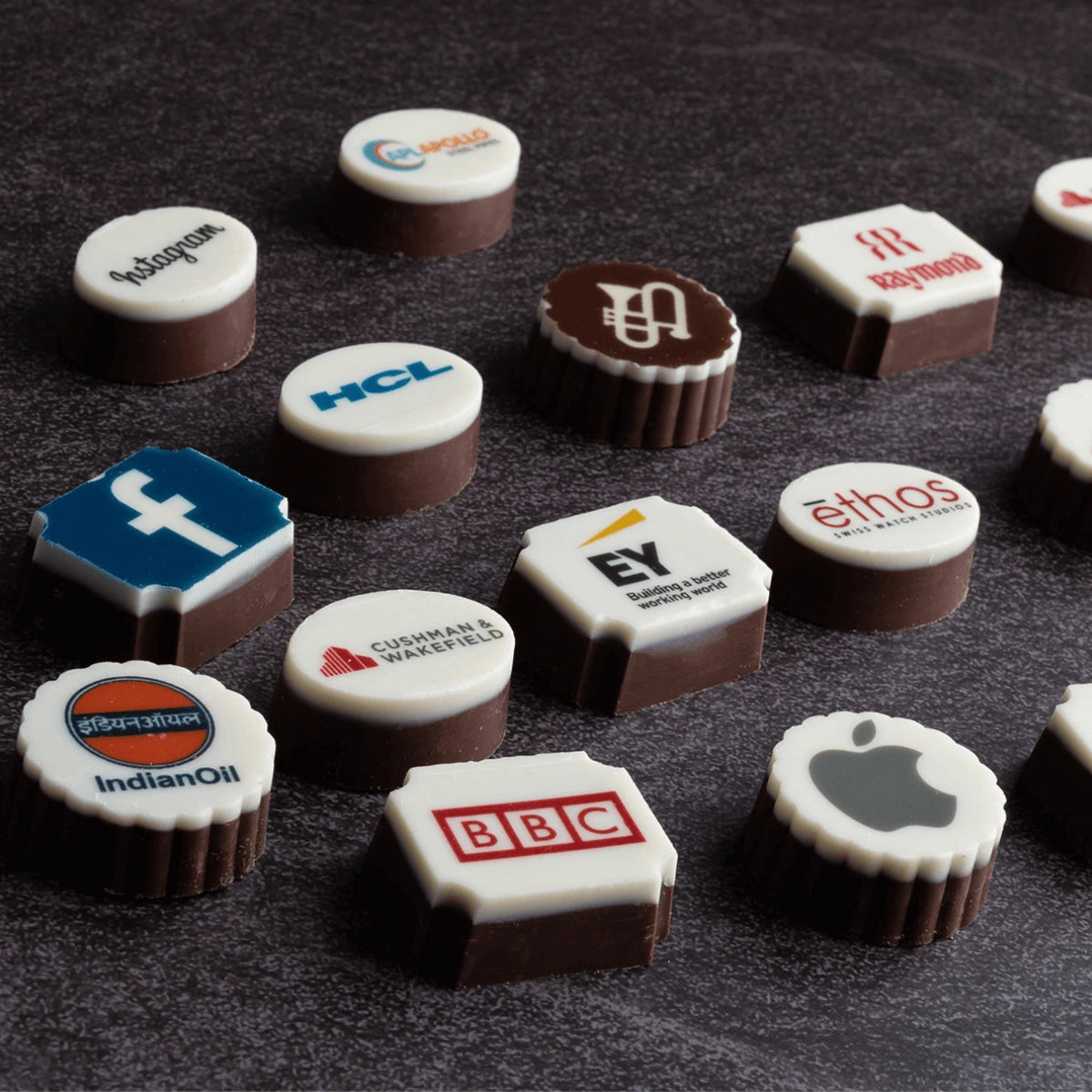
Personalized Corporate Giveaway Chocolates
Custom-branded chocolate giveaway gifts designed to boost visibility at exhibitions and corporate events.
Customize for Your BrandEnd-of-Day Wrap-Up: The Most Skipped and Most Critical Step
Many teams mentally check out once the floor closes. That’s a mistake.
The end-of-day checklist protects the value you’ve created all day.
Daily close checklist steps include securing and counting remaining giveaways, syncing lead data, reviewing what worked, flagging high-priority follow-ups, and resetting the booth for the next morning.
According to Statista , exhibitors who review performance daily are more likely to optimize outcomes across multi-day shows.
Where Giveaways Fit Into High-Performing Booth Operations
Giveaways should never be the headline, but they’re a powerful supporting act.
When used intentionally, they reinforce brand positioning, act as memory triggers, and reward meaningful engagement.
Premium customized items such as printed chocolate gift boxes perform best when aligned with conversation quality rather than footfall volume.
This is why many exhibitors now choose curated options like customized corporate chocolate gift boxes instead of generic swag.
Trends & Expert Insight: Why Execution Is Becoming the Differentiator
As trade shows become more competitive and budgets more scrutinized, execution quality is emerging as a key differentiator.
Insights from McKinsey Quarterly and Financial Times point to fewer but higher-quality in-person events and increased emphasis on lead quality.
Conclusion: Your Booth Is Only as Strong as Its Daily Discipline
Trade show success doesn’t come from luck or last-minute heroics. It comes from repeatable, disciplined execution.
A well-designed booth team checklist reduces chaos, improves visitor experience, protects team energy, and maximizes ROI.
When your team knows exactly what to do and why, they stop reacting and start performing.

Call to Action - Chocolate Box
📦 Box: Logo + bold CTA — “Become Our Distributor” / “Partner With Us”
📝 Message Inside: Contact details + QR code to sales deck or lead form
🍫 Chocolates: One with “Let’s Partner”, one with logo
🎯 Purpose: Turns a premium gift into a partnership trigger—driving real business inquiries, not just brand recall.
Make it for your BrandKey Information
| Focus Area | What It Covers | Why It Matters |
|---|---|---|
| Booth Team Roles | Defined responsibilities like greeter, qualifier, product expert, and lead capture | Prevents confusion and ensures consistent visitor experience |
| Trade Show Day Checklist | Morning setup, peak-hour planning, midday reset, and end-of-day wrap-up | Keeps booth operations smooth throughout long show hours |
| Lead Capture Process | Qualification criteria, note-taking, tagging, and next-step confirmation | Improves post-show follow-up and conversion quality |
| Giveaway Strategy | When, how, and to whom giveaways should be distributed | Protects budget and improves brand recall |
| Peak Hour Management | Staff rotation, traffic flow control, and energy management | Maximizes engagement during high-traffic windows |
| End-of-Day Review | Lead syncing, performance review, and booth reset | Compounds results across multi-day trade shows |
Frequently Asked Questions (FAQs)
1. What should booth staff focus on during a trade show day?
Booth staff should focus on consistent visitor engagement, qualifying conversations, accurate lead capture, and controlled giveaway distribution. A clear booth team checklist helps staff know when to greet, when to go deeper, and when to disengage—ensuring energy and attention are spent on high-value prospects.
2. Why is a trade show day checklist important for exhibitors?
A trade show day checklist keeps booth operations organized in a high-pressure environment. It reduces decision fatigue, aligns staff roles, and ensures leads, giveaways, and messaging are handled consistently—especially during peak traffic periods when mistakes are most likely to happen.
3. How do you manage booth traffic during peak hours?
Managing booth traffic during peak hours requires assigning experienced staff to front-facing roles, rotating team members regularly, and temporarily limiting giveaways to qualified visitors. This approach prevents overcrowding, protects staff energy, and ensures serious prospects receive proper attention.
4. What is the best way to capture quality leads at trade shows?
The best way to capture quality leads is to define what qualifies as a good lead, capture contextual notes immediately, and confirm next steps verbally. Scanning everyone without qualification often leads to poor follow-ups and low post-event conversion rates.
5. How should giveaways be used at trade show booths?
Giveaways should support conversations, not replace them. Premium giveaways work best when given after meaningful engagement, tied to the visitor’s role or needs. This strategy increases brand recall and avoids wasting budget on low-intent attendees.
6. How do you prevent booth staff burnout during long events?
Prevent burnout by scheduling role rotations, planning short breaks, and conducting quick midday check-ins. Structured staffing keeps energy levels stable and helps booth teams maintain consistent performance throughout the entire trade show day.
7. What should exhibitors do at the end of each trade show day?
At the end of each day, exhibitors should secure giveaways, sync lead data, review what worked, and reset the booth for the next day. Even a short end-of-day review improves execution and results across multi-day trade shows.
8. How does booth execution impact trade show ROI?
Booth execution directly impacts ROI because it affects lead quality, visitor experience, and follow-up success. Clear processes, disciplined lead capture, and intentional engagement turn booth traffic into real business opportunities.
9. How can a booth team handle “just looking” attendees politely?
Booth teams should acknowledge interest without pressure, offer light engagement, and exit conversations gracefully if there’s no intent. This approach keeps the booth welcoming while freeing staff to focus on higher-value prospects.
10. What makes a booth team successful at trade shows?
Successful booth teams follow a clear trade show execution guide, communicate consistently, manage energy well, and treat giveaways as strategic tools. Preparation, discipline, and alignment matter far more than booth size or flashy visuals.
