

Staff Rotation & Energy Management at Trade Shows: The Hidden Productivity Lever Most Exhibitors Ignore

Staff Rotation & Energy Management at Trade Shows: The Hidden Productivity Lever Most Exhibitors Ignore
Explore Giveaway GiftsKey Takeaways
-
Staff energy directly impacts lead quality, not just booth morale. Tired teams miss buying signals.
-
Rotation beats endurance — short, focused engagement blocks outperform all-day presence.
-
Role rotation keeps conversations fresh and reduces mental fatigue during long trade show days.
-
Premium giveaways work best when paired with energized staff, not passive distribution.
-
Peak-hour staffing strategy matters more than total headcount for trade show ROI.
Trade shows don’t usually fail because of poor booth design or weak product-market fit. More often, they fail quietly and gradually — when booth teams lose energy.
By mid-afternoon, even the most professional exhibitors begin to show subtle signs of fatigue. Smiles become forced. Conversations shorten. Staff stop asking follow-up questions. Visitors who might have become qualified leads drift away with a polite nod and a “just looking.”
Yet despite this being a predictable pattern, most exhibitors still plan staffing as if energy were unlimited. Assign people to the booth, ask them to stand there all day, and hope motivation lasts until closing time.
It rarely does.
Trade show success is not only about who you staff — it’s about how you rotate, pace, and protect their energy. High-ROI exhibitors understand this intuitively. They treat booth staffing like shift work in a high-stakes environment, with deliberate rotation, defined roles, and built-in energy resets.
This becomes even more critical when your booth includes premium giveaway gifts designed to spark interaction, such as customized chocolates that encourage conversation instead of passive grabbing. A fatigued team can easily waste even the most effective giveaway.
If you are investing in exhibitions, booth branding, and thoughtfully designed gifts like those featured in custom giveaway gifts for expo and trade shows, then staff rotation and energy management stop being an HR concern and become a direct driver of return on investment.
Why Energy Beats Headcount at Trade Shows
Most exhibitors spend weeks debating how many people should staff their booth. Very few ask the more important question: how long can each person perform at their best?
Research on workplace performance consistently shows that sustained social interaction and rapid decision-making drain cognitive energy faster than physical effort. Trade show booths combine both. Staff must engage strangers, qualify interest, recall messaging, and maintain emotional composure for six to nine hours a day.
Insights published by Harvard Business Review highlight how decision fatigue reduces listening quality, curiosity, and judgment — exactly the skills required to qualify leads effectively at exhibitions.
Industry data from the Center for Exhibition Industry Research shows that attendee perception of booth staff enthusiasm strongly influences how a brand is remembered after the show. Visitors may forget booth graphics, but they remember how interactions made them feel.
This explains a familiar trade show paradox. Booth traffic stays high. Giveaways continue to move. Yet lead quality quietly declines as the day progresses.
Without a structured exhibitor staffing strategy, teams enter survival mode. Conversations become transactional. Deeper qualification questions are skipped. Staff conserve energy rather than investing it.
Experienced exhibitors counter this by treating booths like live performance spaces. They design engagement windows, rotate roles, and schedule recovery breaks so energy peaks when opportunity is highest.
For B2B audiences, premium giveaway gifts signal credibility and help position your brand as high-value and trustworthy. Read more →
The Core Problem: Static Staffing in a Dynamic Trade Show Environment
Trade shows are inherently dynamic. Crowd density fluctuates. Competitors draw attention. Noise levels rise and fall. Yet most staffing plans remain static from opening bell to closing announcement.
This mismatch creates predictable problems.
First, strong communicators are overexposed at the frontline. Because they “convert well,” they are kept in conversation all day. By afternoon, even the best performers lose sharpness.
Second, energy distribution across the team becomes uneven. Some staff remain underutilized while others burn out, creating frustration and inconsistent visitor experiences.
Third, poor handoffs occur during busy periods. Without rotation, fresh perspectives disappear, and conversations start sounding scripted or rushed.
Finally, premium giveaway gifts lose their impact. Instead of being used as conversation openers, they are handed out silently to reduce interaction time.
Many exhibitors walk away from shows saying, “Traffic was good, but leads weren’t
Corporate Giveaway Gifts for Expo, Exhibition & Trade Shows
Attract attention and drive brand recall with premium corporate giveaway gifts featuring personalized chocolate branding for expos and trade shows.
Explore Giveaway Gifts Now
great.” The issue is rarely the booth or the product. It is unmanaged energy decay.
The 4-Pillar Staff Rotation & Energy Management Framework
1. Time-Boxed Frontline Engagement
No one should remain on the frontline continuously. High-performing exhibitors use 60- to 90-minute engagement blocks followed by off-floor tasks or short recovery periods.
This approach aligns with productivity research discussed by MIT Sloan Management Review, which shows that shorter, focused engagement periods outperform long, passive presence.
Frontline staff should rotate before fatigue becomes visible, not after.
2. Role Rotation Instead of Simple Breaks
Effective rotation is not only about stepping away from the booth. It is about changing cognitive load.
Common booth roles include greeter, product explainer, lead qualifier, giveaway conversation lead, and observer. Rotating between these roles prevents monotony and keeps staff mentally engaged.
A team member who spends an hour qualifying leads can recharge while managing giveaway interactions or observing booth traffic patterns.
3. Planned Energy Reset Anchors
Elite exhibitors plan energy resets rather than relying solely on lunch breaks.
These resets include hydration moments, short messaging recalibrations, and quick team huddles. Even a five-minute reset can significantly improve conversational quality.
This principle complements best practices outlined in the trade show day checklist for booth teams, where preparation and pacing matter as much as presence.
4. Peak-Hour Staffing Overlap
Not all trade show hours deserve equal staffing intensity.
Smart exhibitors identify peak traffic windows and ensure their highest-energy staff overlap during those periods. Support roles and recovery rotations are scheduled during slower intervals.
This ensures that the most important conversations happen when both opportunity and energy are highest.
At this stage, many exhibitors begin asking an important question: does structured staff rotation actually improve results, or does it just feel better for the team?
Answering that requires looking at data, real-world booth scenarios, and practical execution — which is exactly where Part 2 continues.
Data, Research & Proof: Why Staff Energy Directly Impacts Lead Quality
Many exhibitors assume that staffing decisions primarily affect comfort and morale. In reality, staff energy has a direct and measurable impact on lead quality, follow-up success, and overall trade show productivity.
Research from the Center for Exhibition Industry Research shows that exhibitors who prioritize staff engagement quality consistently report stronger post-show outcomes. These exhibitors are more likely to generate leads that convert into meaningful sales conversations rather than surface-level contacts.
Workplace performance insights published by Harvard Business Review explain why this happens. As decision fatigue increases, professionals ask fewer probing questions, listen less actively, and default to safe, generic responses. At a trade show booth, this translates into missed buying signals and weaker qualification.
Data from Statista further highlights the challenge. Booth staff often interact with hundreds of attendees per day, repeating similar conversations in a high-stimulation environment. Without structured rotation, performance degradation is inevitable, regardless of motivation or experience.
This explains why two exhibitors with similar booth designs, messaging, and giveaways can experience very different results. One leaves with a strong pipeline and clear follow-up priorities. The other leaves with a long list of contacts that never respond.
The difference is rarely luck. It is energy management.
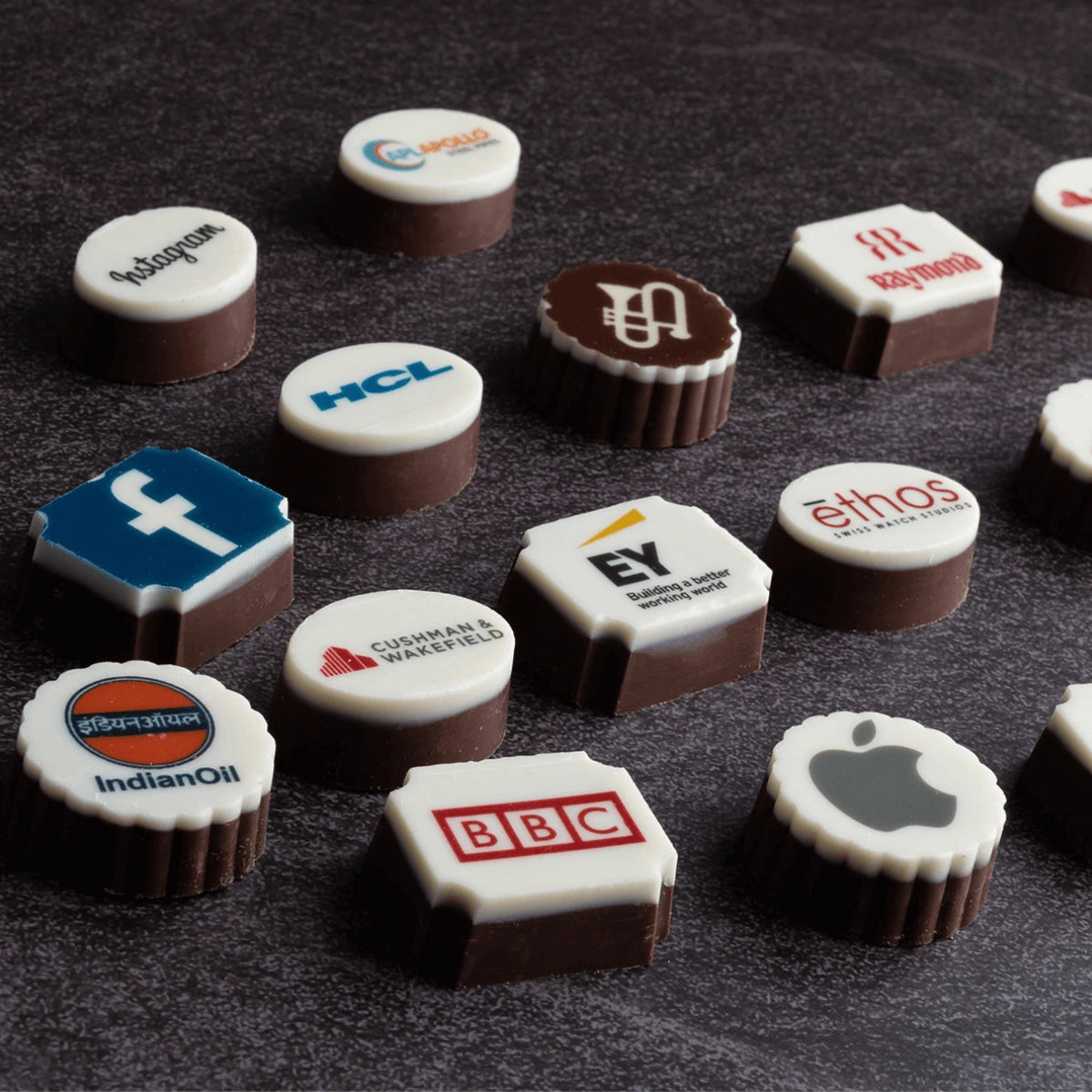
Personalized Corporate Giveaway Chocolates
Custom-branded chocolate giveaway gifts designed to boost visibility at exhibitions and corporate events.
Customize for Your BrandReal-World Booth Scenarios: How Rotation Changes Outcomes
To understand how staff rotation works in practice, consider a few common booth scenarios that appear at nearly every major exhibition.
In the first scenario, a senior sales leader becomes the booth’s primary attraction. Because they communicate well and close effectively, they remain on the frontline for most of the day. By early afternoon, their enthusiasm fades. Conversations become shorter. Notes become vague. Subtle buying cues are missed.
The optimized approach limits frontline exposure. The sales leader works in defined ninety-minute blocks, rotates into a lead review or internal coaching role, and returns refreshed for peak traffic periods. Conversion quality improves without increasing staffing.
In a second scenario, the booth relies heavily on giveaways to draw traffic. Staff members hand out items quickly to manage volume, minimizing conversation to conserve energy. The giveaway becomes a transaction rather than a conversation starter.
When rotation is applied, one team member assumes the role of giveaway conversation lead. Premium items, such as customized chocolate gifts, are introduced with a short, engaging explanation rather than silently passed across the counter. This approach aligns naturally with the techniques described in how to qualify visitors without being pushy, where thoughtful engagement outperforms aggressive tactics.
A third scenario involves peak-hour chaos. Traffic surges overwhelm the booth, staff scramble to respond, and conversations blur together. Qualified prospects slip away unnoticed.
With planned rotation, peak hours are staffed with intentional overlap. Greeters manage flow, qualifiers focus on intent, and explainers handle deeper discussions. Short rotations prevent burnout and maintain consistency, even under pressure.
Practical How-To: Building a Staff Rotation Plan That Works
Effective staff rotation does not require complex systems. It requires clarity, discipline, and alignment with booth goals.
The first step is mapping your booth’s energy curve. Identify peak traffic windows, slow recovery periods, and high-stakes interaction times. Past event data helps, but real-time observation during the first show day is equally valuable.
This planning pairs well with guidance from managing booth traffic during peak hours, where flow control and staffing coordination intersect.
The second step is defining clear rotation roles. Avoid vague assignments. Each team member should know when they are greeting, qualifying, explaining, managing giveaways, or observing. Clear roles reduce cognitive load and friction.
The third step is using giveaways as energy multipliers rather than energy drains. Premium gifts work best when they make conversations easier, not harder.
Thoughtfully designed gifting solutions from corporate chocolate gifting collections naturally open conversations. When staff enjoy presenting the gift, enthusiasm sustains longer, and interactions feel more human.
Short, scheduled micro-resets complete the plan. Hydration breaks, messaging recalibration, and brief team check-ins restore focus far more effectively than waiting for lunch or the end of the day.
Budget-friendly giveaway gifts can still feel premium when chosen strategically—focus on usefulness over quantity. Read more →
How Gifting Strategy Supports Staff Energy
Giveaways influence not only visitor behavior but also staff experience.
Generic swag often leads to repetitive, low-effort interactions that drain energy quickly. In contrast, premium, customized items create a sense of purpose around each interaction.
When staff explain why a gift is personalized or how it connects to the brand story, the interaction feels meaningful rather than transactional. This is especially true for tactile, experiential items like customized chocolate boxes.
Options such as four-chocolate corporate gift boxes or nine-chocolate premium gift boxes allow exhibitors to match gift value to conversation depth, preserving energy while enhancing perceived value.
This strategic alignment between gifting and staffing reduces fatigue and increases consistency across interactions.
Trends & Expert Insight: The Future of Exhibitor Staffing Strategy
Trade show staffing is evolving from intuition-based planning to experience-driven optimization.
Business publications such as Forbes and insights from MIT Sloan Management Review increasingly emphasize that human energy is a competitive advantage in high-interaction environments.
Future-focused exhibitors are already combining traffic analytics, staffing rotation, and experience-led gifting into a single performance system.
As booths become more experiential and less transactional, staff performance will matter more than square footage or spectacle.

Call to Action - Chocolate Box
📦 Box: Logo + bold CTA — “Become Our Distributor” / “Partner With Us”
📝 Message Inside: Contact details + QR code to sales deck or lead form
🍫 Chocolates: One with “Let’s Partner”, one with logo
🎯 Purpose: Turns a premium gift into a partnership trigger—driving real business inquiries, not just brand recall.
Make it for your BrandConclusion
Trade shows do not reward endurance. They reward intentional performance.
When staff rotation, energy management, and gifting strategy work together, long show days turn into sustained, high-quality conversations.
Exhibitors who invest in structured staffing and premium engagement tools consistently outperform those who rely on static schedules and generic giveaways.
Whether you refine your exhibitor staffing strategy or enhance booth engagement with thoughtfully designed options like six-chocolate corporate gift boxes, the principle remains the same: protect energy, elevate conversations, and results will follow.
Choose giveaway gifts that naturally attract attention at exhibitions—items that spark curiosity help drive higher booth footfall. Read more →
Key Information
| Aspect | What It Means at Trade Shows | Why It Matters for Exhibitors |
|---|---|---|
| Staff Rotation | Planned shifts and role changes throughout the day | Prevents burnout and keeps conversations sharp |
| Energy Management | Managing cognitive and emotional fatigue | Improves lead quality and engagement consistency |
| Role Definition | Assigning clear booth roles (greeter, qualifier, explainer) | Reduces confusion and mental overload |
| Peak-Hour Overlap | Extra coverage during high-traffic windows | Maximizes conversion during critical periods |
| Giveaway Strategy | Using gifts as conversation starters | Enhances interaction quality, not just footfall |
| Micro-Resets | Short breaks and messaging recalibration | Sustains performance without long downtime |
| Staffing Strategy | Treating booths like performance environments | Turns people power into pipeline power |
Frequently Asked Questions (FAQs)
1. How often should trade show booth staff rotate during the day?
Most exhibitors see the best results when staff rotate every 60 to 90 minutes. This timing balances sustained engagement with mental recovery, helping teams stay attentive, curious, and conversational throughout long trade show days without experiencing energy crashes.
2. Why does booth staff energy affect lead quality so much?
Booth conversations require listening, qualifying, and adapting in real time. When energy drops, staff default to surface-level interactions. Energized teams ask better questions, notice buying signals, and capture more accurate lead information, directly improving post-show follow-up success.
3. How many people should work a trade show booth at one time?
The ideal number depends on booth size and traffic, but energy coverage matters more than headcount. Fewer, well-rotated staff with clear roles often outperform larger teams standing continuously without rotation or defined responsibilities.
4. What is role rotation in a trade show staffing strategy?
Role rotation means switching staff between tasks such as greeting, product explanation, lead qualification, and giveaway engagement. This reduces monotony, balances cognitive load, and keeps conversations fresh for both staff and attendees throughout the event.
5. How do giveaways impact booth staff energy?
Generic giveaways can drain energy if they encourage quick, repetitive interactions. Premium or personalized giveaways act as conversation starters, making engagement easier and more enjoyable for staff, which helps maintain enthusiasm during high-volume trade show days.
6. What are micro-breaks, and why are they effective at trade shows?
Micro-breaks are short, planned pauses for hydration, mental reset, or messaging alignment. Even five minutes away from the booth can restore focus and improve interaction quality more effectively than waiting for long breaks later in the day.
7. How do you manage booth staffing during peak traffic hours?
Peak hours require overlap staffing, where multiple roles are active simultaneously. Assigning greeters, qualifiers, and explainers during high traffic prevents chaos, protects staff energy, and ensures qualified prospects receive proper attention.
8. Can better staff rotation really improve trade show ROI?
Yes. Better rotation leads to higher-quality conversations, clearer lead notes, and stronger follow-up outcomes. Exhibitors often see improved conversion rates without increasing booth size, staffing costs, or promotional spend.
9. Is staff rotation more important than booth design?
Booth design attracts attention, but staff performance converts interest into leads. Even the best-designed booth underperforms if staff are fatigued, disengaged, or inconsistent. Rotation ensures the booth experience stays strong all day.
10. How should exhibitors plan staffing before a trade show begins?
Exhibitors should map peak traffic times, define clear roles, schedule rotations, and plan energy resets in advance. Treating staffing as a system — not an afterthought — leads to smoother booth operations and better trade show productivity.
