

15 Thanksgiving Business Gifting Mistakes Companies Must Avoid (Before They Hurt Client & Employee Relationships)
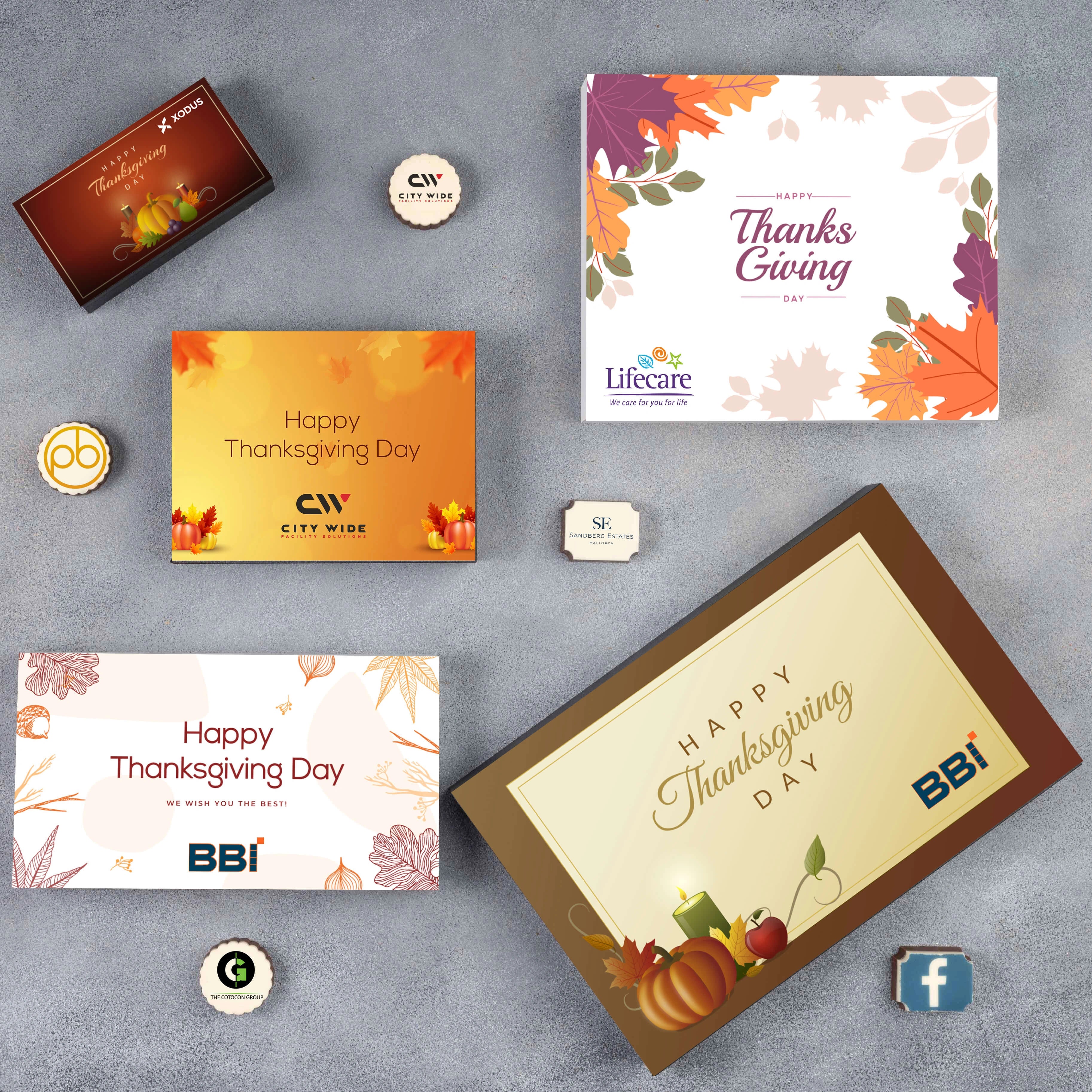
15 Thanksgiving Business Gifting Mistakes Companies Must Avoid (Before They Hurt Client & Employee Relationships)
Explore GiftsKey Takeaways
-
Most Thanksgiving gifting mistakes come from poor planning, not budget limitations
-
Personalization is the strongest driver of engagement and brand recall
-
Generic, last-minute gifts weaken client and employee relationships
-
Packaging and presentation significantly impact perceived value
-
Segmentation ensures the right gift reaches the right audience
-
Corporate gifting should be treated as a long-term brand strategy, not a seasonal activity
Thanksgiving is one of the most powerful moments in the corporate calendar for relationship-building in the United States. It sits right before the year-end push, making it a strategic opportunity for companies to express appreciation to clients, employees, and partners. Yet, despite its importance, many organizations unintentionally weaken their relationships through thanksgiving gifting mistakes and business gifting errors that reduce impact instead of strengthening loyalty.
Corporate gifting is no longer a “nice-to-have.” It has become a measurable part of corporate gift strategy and brand experience. When gifting is rushed, generic, or poorly executed, it can do more harm than good.
Companies that treat Thanksgiving gifting as an afterthought often miss emotional and strategic value. On the other hand, organizations that plan early and personalize their approach see stronger client retention and better employee morale. Explore premium gifting solutions like Thanksgiving corporate gifts.
Context & Background: Why Corporate Thanksgiving Gifting Matters More Than Ever
In today’s competitive B2B landscape, relationships drive revenue more than discounts or promotions. Thanksgiving gifting has evolved into a structured holiday gifting best practice used by HR teams, procurement heads, and marketing leaders.
Modern corporate gifting is shaped by three key shifts:
-
Personalization expectations are higher than ever
-
Clients and employees expect experience-driven gifting
-
Brand perception is directly tied to gift quality
Research from leadership sources such as Harvard Business Review highlights that employee recognition improves engagement and retention. However, poor execution leads to weakened brand perception.
Many companies still make predictable errors such as last-minute planning and generic gifting. These are not just operational issues—they are business gifting errors that affect brand equity.
To avoid such pitfalls, structured planning is essential. Learn more about building a Thanksgiving gifting strategy.
Thanksgiving Corporate Gifts
Celebrate gratitude with personalized chocolate gifts crafted for your clients and teams.
Shop NowCore Problem: Why Companies Keep Making Thanksgiving Gifting Mistakes
Despite awareness, companies repeatedly make the same corporate gifting pitfalls. The issue is not budget—it is strategy.
1. Gifting without a clear objective
Many organizations send gifts without defining goals like employee appreciation, client retention, or brand recall.
2. Treating gifting as an administrative task
When gifting becomes procurement-driven, emotional value is lost.
3. Overlooking personalization
Generic gifting reduces engagement and emotional impact.
4. Poor timing and execution
Late planning leads to shipping delays and limited customization.
Refer to the Thanksgiving business gifting calendar to avoid timing issues.
5. Lack of segmentation
Companies often fail to differentiate between high-value clients, employees, and vendors.
Read more about segmentation strategies here.
Premium Thanksgiving Gifts
Celebrate gratitude with luxurious chocolate boxes this Thanksgiving.
Shop NowKey Concepts: 15 Thanksgiving Business Gifting Mistakes Explained
Mistake 1: Sending Generic Corporate Gifts
Generic gifts like mugs or pens lack emotional value and are quickly forgotten.
Mistake 2: Last-Minute Gifting Decisions
Rushed gifting leads to poor selection and weak execution.
Mistake 3: Ignoring Personalization
Personalized gifts significantly improve emotional engagement and brand recall.
Explore personalized corporate gifting solutions at corporate gifting experiences.
Mistake 4: Poor Packaging Experience
Packaging plays a major role in perceived value. Weak presentation reduces impact.
Mistake 5: Over-Branding the Gift
Excessive branding makes gifts feel promotional instead of thoughtful.
Mistake 6: Ignoring Cultural Sensitivities
Diverse workplaces require thoughtful, inclusive gifting strategies.
Mistake 7: Choosing Low-Utility Gifts
Gifts that are not useful often end up unused and forgotten.
Mistake 8: Misalignment with Brand Positioning
Luxury brands sending low-quality gifts create credibility gaps.
Mistake 9: Ignoring ROI and impact measurement
One of the most overlooked corporate gift strategy mistakes is failing to measure outcomes. Companies spend heavily on gifting but rarely track:
-
Client response rate
-
Employee engagement improvement
-
Repeat business influenced by gifting
Without tracking ROI, gifting becomes guesswork rather than strategy. Insights from McKinsey research highlight that organizations with measurable engagement programs consistently outperform others in retention and loyalty.
Mistake 10: Poor vendor selection and lack of customization capability
Many companies choose vendors based only on cost, not capability. This leads to limited customization, weak branding, and inconsistent quality.
Modern corporate gifting requires personalization at scale—something only specialized providers can deliver effectively.
This is where premium gifting partners like corporate gifting solutions help companies create consistent, high-quality experiences across large volumes.
Mistake 11: Weak storytelling in gifting
Corporate gifting is not just about the product—it is about the story behind it. Many companies fail to include:
-
Personalized message cards
-
Brand story or appreciation note
-
Context of gratitude
A gift without storytelling feels transactional, while a story-driven gift feels meaningful and memorable.
Mistake 12: Ignoring unboxing experience
Unboxing is now a critical part of modern gifting psychology. Research in consumer experience shows that presentation strongly influences perceived value.
A poorly packaged gift reduces emotional impact—even if the product itself is premium.
This is why luxury keepsake packaging, such as wooden boxes used in premium chocolate gifting, significantly improves brand recall and engagement.
Mistake 13: Sending irrelevant gifts across segments
One of the most damaging corporate gifting pitfalls is ignoring recipient context.
For example:
-
A new client receiving the same gift as a 10-year partner
-
Employees receiving non-personalized generic items
This creates emotional disconnect and reduces perceived value.
Smart segmentation strategies can be explored in detail here: Thanksgiving gift segmentation strategy.
Premium Business Gifts
Unique chocolate designs to celebrate Thanksgiving with your team.
Discover MoreMistake 14: Treating gifting as a one-time campaign
Many organizations treat Thanksgiving gifting as an isolated event rather than part of a year-round relationship strategy.
However, companies that integrate gifting into ongoing engagement cycles see stronger loyalty outcomes. According to industry insights from Forbes Leadership, consistent recognition programs outperform one-time gestures in long-term engagement.
Mistake 15: Ignoring sustainability and modern expectations
Today’s corporate buyers—especially in the US—are increasingly conscious of sustainability. Gifts that generate excessive waste or use low-quality materials can negatively impact brand perception.
Modern holiday gifting best practices now include:
-
Eco-friendly packaging
-
Reusable or keepsake packaging
-
High-utility gifting items
This shift reflects broader consumer trends reported in ecommerce insights by Shopify research, where experience and sustainability strongly influence purchasing behavior.
Data, Research & Industry Insight
Industry research consistently shows that employee recognition and thoughtful gifting improve engagement, retention, and client loyalty.
Insights from business thought leaders such as Forbes and McKinsey highlight that emotional connection is a key driver of workplace performance.
However, when companies make corporate gifting strategy mistakes, the result is reduced engagement and weakened brand perception.
This is why many organizations are shifting toward curated, personalized gifting experiences instead of generic bulk gifting.
Premium customized gifts like printed chocolate boxes help brands create memorable experiences with strong emotional impact.
Practical Insight: How Companies Can Avoid These Mistakes
1. Start planning early
Begin Thanksgiving gifting planning at least 6–8 weeks in advance.
2. Segment recipients
-
High-value clients
-
Employees
-
Long-term partners
-
Vendors
3. Focus on personalization
Even small personalization improves emotional response significantly.
4. Prioritize packaging experience
Unboxing experience plays a key role in perceived value.
5. Align gifts with brand identity
Your gift should reflect your company’s values and positioning.
Advanced Thanksgiving Business Gifting Mistakes
we explored foundational thanksgiving gifting mistakes that companies commonly make—especially around personalization, timing, and strategy. However, the most damaging business gifting errors often happen at a deeper operational and strategic level.
These advanced mistakes directly affect ROI, brand perception, and long-term relationship value. In fact, studies from leadership and business publications like Harvard Business Review consistently show that poorly executed appreciation programs reduce engagement rather than improving it.
Real-World Corporate Gifting Scenario (Why These Mistakes Matter)
Consider two companies during Thanksgiving:
Company A: Sends generic, last-minute gift hampers with no personalization or segmentation.
Company B: Plans early, segments recipients, uses personalized keepsake gifts, and includes thoughtful messaging.
The result?
-
Company A sees low engagement and minimal recall
-
Company B sees stronger client retention and employee appreciation
The difference is not budget—it is execution and strategy.
How to Fix Corporate Thanksgiving Gifting Strategy Mistakes
Step 1: Build a structured gifting calendar
Start planning at least 6–8 weeks before Thanksgiving to avoid logistics issues and limited customization options.
Refer to: Thanksgiving gifting calendar planning guide
Step 2: Define clear gifting objectives
Ask:
-
Is this for employee appreciation?
-
Is this for client retention?
-
Is this for brand positioning?
Without clarity, gifting loses impact.
Step 3: Invest in personalization at scale
Personalization is the strongest driver of emotional connection in corporate gifting.
Premium solutions like customized chocolate gift boxes help brands deliver personalization while maintaining scalability.
Step 4: Focus on experience, not just product
The unboxing moment, message card, and packaging collectively define the perceived value of a gift.
Luxury presentation elevates even simple products into memorable brand experiences.
Step 5: Align gifting with brand identity
Your corporate gift should reflect your company’s values—whether that is innovation, luxury, or reliability.
For example, brands often choose curated premium options like:

Final Conclusion: Why Avoiding Gifting Mistakes Builds Stronger Business Relationships
Thanksgiving is more than a seasonal opportunity—it is a powerful moment to strengthen trust, loyalty, and emotional connection with clients and employees. However, as we have seen, even well-funded programs can fail due to common thanksgiving gifting mistakes such as poor planning, lack of personalization, and weak execution.
Companies that succeed in corporate gifting treat it as a long-term strategy, not a one-time activity. They invest in thoughtful design, meaningful messaging, and premium presentation to ensure every gift reflects their brand values.
When done right, corporate gifting becomes more than appreciation—it becomes a competitive advantage.
CTA: Explore premium personalized corporate gifting solutions with ChocoCraft Thanksgiving Gifts and transform your business gifting into a memorable brand experience.
Key Information Table
| Key Area | Common Mistake | Best Practice / Solution |
|---|---|---|
|
Planning |
Last-minute Thanksgiving gifting decisions |
Start planning 6–8 weeks in advance using a structured gifting calendar |
|
Personalization |
Generic, one-size-fits-all gifts |
Use personalized gifts with names, messages, or branding elements |
|
Segmentation |
Same gift for all clients and employees |
Segment recipients based on value, relationship, and role |
|
Packaging |
Low-quality or plain packaging |
Invest in premium, experience-driven unboxing design |
|
Brand Impact |
Over-branded or irrelevant gifts |
Align gifts with brand identity and recipient expectations |
|
Strategy |
Treating gifting as a one-time activity |
Build gifting into a long-term relationship strategy |
FAQs
1. What are the most common Thanksgiving gifting mistakes companies make?
The most common Thanksgiving gifting mistakes include sending generic gifts, poor planning, lack of personalization, and ignoring recipient segmentation. Many companies also fail to align gifts with their brand identity or business goals. These business gifting errors reduce emotional impact and weaken relationships instead of strengthening them. Another major mistake is last-minute execution, which leads to limited customization and poor-quality outcomes. A thoughtful corporate gift strategy ensures gifts feel intentional, relevant, and memorable.
2. Why is personalization important in corporate Thanksgiving gifting?
Personalization is one of the most important elements of effective corporate gifting. Without it, gifts often feel generic and transactional. Personalized gifts—such as adding names, logos, or custom messages—create emotional connection and improve brand recall. In business gifting strategy, personalization shows effort and thoughtfulness, which strengthens client and employee relationships. Companies that invest in customized gifting experience higher engagement and better long-term loyalty compared to those using mass, one-size-fits-all gifts.
3. How early should companies plan Thanksgiving corporate gifts?
Companies should ideally start planning Thanksgiving corporate gifts at least 6–8 weeks in advance. Early planning helps avoid shipping delays, ensures better customization options, and allows proper budget allocation. Many corporate gifting mistakes happen due to last-minute decisions, resulting in limited product choices and rushed execution. A structured holiday gifting calendar helps businesses stay organized and ensures a smooth delivery experience, especially during the busy Q4 holiday season in the USA.
4. What makes a good corporate Thanksgiving gift strategy?
A strong corporate Thanksgiving gift strategy includes clear objectives, proper segmentation, personalization, and timely execution. Companies should define whether the goal is client retention, employee appreciation, or brand awareness. The strategy should also consider packaging quality, message personalization, and recipient relevance. A well-planned approach avoids business gifting errors and ensures every gift aligns with brand values, creating a meaningful and memorable experience for recipients.
5. Why do generic gifts fail in business gifting?
Generic gifts fail because they lack emotional connection and personalization. Items like standard hampers, mugs, or pens do not reflect thoughtfulness and are often forgotten quickly. In corporate gifting strategy, recipients expect relevance and uniqueness. Generic gifting creates the impression of low effort, which can negatively impact brand perception. Personalized and experience-driven gifts perform much better because they make recipients feel valued and appreciated.
6. How does packaging affect corporate gifting impact?
Packaging plays a crucial role in how a corporate gift is perceived. Even high-quality products can feel underwhelming if the packaging is weak or unattractive. Premium packaging enhances the unboxing experience and increases perceived value. In Thanksgiving gifting, presentation often influences emotional response as much as the gift itself. Companies that invest in elegant packaging, such as keepsake boxes, create stronger impressions and improve brand recall significantly.
7. What role does segmentation play in corporate gifting?
Segmentation ensures that the right gift reaches the right recipient. In corporate Thanksgiving gifting, not all clients, employees, or partners should receive the same type of gift. High-value clients may require premium gifting, while employees may appreciate personalized appreciation gifts. Without segmentation, companies risk sending irrelevant gifts, which reduces impact. Proper segmentation improves relevance, strengthens relationships, and avoids common business gifting mistakes.
8. Are expensive gifts always better in corporate gifting?
No, expensive gifts are not always better. In corporate gifting strategy, emotional value and relevance matter more than price. A thoughtful, personalized gift can create a stronger impact than a costly but generic one. Business gifting errors often occur when companies focus only on budget rather than experience. The key is to balance quality, personalization, and presentation to create meaningful engagement with recipients.
9. How can companies measure the success of Thanksgiving gifting?
Companies can measure gifting success through client feedback, employee engagement, repeat business, and brand recall. Some organizations also track responses such as thank-you messages, referrals, or social media engagement. In corporate gifting strategy, ROI is often emotional rather than direct financial. Avoiding business gifting mistakes and focusing on personalization helps improve measurable outcomes over time, especially in long-term client relationships.
10. What are best practices for avoiding corporate gifting mistakes?
Best practices include early planning, clear gifting objectives, personalization, segmentation, and strong packaging. Companies should also align gifts with brand identity and ensure timely delivery. Avoiding generic gifts and focusing on meaningful experiences is key to success. Using a structured holiday gifting plan helps eliminate common corporate gifting strategy mistakes and ensures a smooth, impactful Thanksgiving gifting experience that strengthens both client and employee relationships.
