

How to Prepare Your Team for a Trade Show That Actually Drives Leads, Not Just Footfall

How to Prepare Your Team for a Trade Show That Actually Drives Leads, Not Just Footfall
Explore Giveaway GiftsKey Takeaways
-
Preparing your team for a trade show is one of the highest-impact activities for improving lead quality and event ROI.
-
Clear role assignment and message alignment help booth staff engage confidently and consistently with the right prospects.
-
Strategic use of corporate giveaway gifts reinforces brand recall and supports post-event follow-up.
-
Trade show success depends more on conversation quality and team readiness than booth size or footfall.
Trade shows are one of the few marketing environments where your brand, your people, and your product meet your buyer face-to-face. Yet many companies invest heavily in booth design, sponsorships, and giveaway gifts for expos and trade shows —only to underprepare the one factor that matters most: their team.
Your booth staff are not just representatives; they are the brand experience. According to industry research, most attendees decide within the first minute whether a conversation is worth continuing. That means preparation isn’t optional—it’s strategic.
In this guide, we’ll show you how to prepare your team for a trade show using proven frameworks, real-world examples, and practical training steps used by high-performing exhibitors across the U.S. Whether your goal is lead generation, partnerships, or brand authority, this article will help you align your people, messaging, and giveaways for measurable ROI.
Stand out from competitors by choosing unique giveaway gifts that go beyond standard pens and notebooks. Read more →
Why Trade Show Team Preparation Matters More Than Ever
Trade shows have evolved. Today’s attendees arrive informed, selective, and time-constrained. They’re not browsing—they’re qualifying you.
According to data from the Center for Exhibition Industry Research (CEIR), nearly 80% of trade show ROI is influenced by on-site interactions, not booth size or location. That puts your team at the center of success.
Many exhibitors focus heavily on logistics—covered extensively in guides like this trade show planning timeline —but fail to train staff on:
- How to open conversations
- How to qualify visitors quickly
- How to represent brand value consistently
- How to use giveaways as conversation tools, not handouts
Preparation transforms your booth from a display into a conversion engine.
Corporate Giveaway Gifts for Expo, Exhibition & Trade Shows
Attract attention and drive brand recall with premium corporate giveaway gifts featuring personalized chocolate branding for expos and trade shows.
Explore Giveaway Gifts NowThe Core Problem: Untrained Booth Staff = Missed Opportunities
Most trade show failures don’t happen because of poor intent—they happen because of poor alignment.
Common issues include:
- Staff defaulting to product dumps instead of discovery questions
- Inconsistent messaging across team members
- Over- or under-qualifying visitors
- Giveaway gifts being handed out with no context or follow-up
As highlighted by Harvard Business Review, trust-based B2B decisions rely heavily on human interaction quality. If your team can’t clearly articulate who you help and why it matters, footfall won’t translate into pipeline.
This is why companies that train staff properly often outperform competitors—even with smaller booths or lower budgets, as explored in trade show budget breakdowns.
The Framework: 5 Pillars of Trade Show Team Preparation
1. Role Clarity Before Anything Else
Every team member should know:
- Their role (opener, qualifier, closer, demo specialist)
- Who handles lead capture
- Who manages giveaways and follow-ups
This prevents booth chaos and ensures smooth visitor flow.
2. Message Discipline (Not Scripts)
Your team doesn’t need memorized pitches—they need message anchors:
- Who we help
- The core problem we solve
- One strong proof point
- A clear next step
Consistency builds credibility.
3. Qualification Over Conversation
Train staff to ask two to three qualifying questions early:
- “What brought you to this show?”
- “Are you currently evaluating solutions?”
- “What’s your role in the buying process?”
This saves time and improves lead quality—key to tracking trade show KPIs.
4. Strategic Use of Corporate Giveaway Gifts
High-impact giveaways reinforce brand memory after the show. Premium, customized gifts—like branded chocolates in keepsake boxes—work best when tied to conversation and intent, not volume.
5. Post-Show Ownership
Every lead should have a clear owner and follow-up plan before the show even begins. This is where most ROI is either captured—or lost.
Data, Proof & Industry Insights
According to Statista, U.S. companies spend billions annually on trade shows—yet lead conversion varies widely based on staff preparedness.
Research from Exhibitor Magazine shows that trained teams generate higher lead quality, stronger brand recall, and better post-event follow-up rates.
One SaaS exhibitor cited in Forbes reported a 35% increase in qualified leads after implementing structured staff training and premium giveaways tied to demos.
This reinforces a simple truth: people remember experiences, not booths.
Eco-friendly giveaway gifts resonate strongly with modern audiences and align well with sustainability-focused brand values. Read more →
Practical How-To: Step-by-Step Trade Show Team Preparation Plan
Preparing your team for a trade show shouldn’t feel abstract or overwhelming. The most successful exhibitors follow a repeatable, timeline-driven preparation process—not last-minute briefings.
Here’s a practical, field-tested approach you can implement immediately.
1. Start Training 30–45 Days Before the Show
High-performing teams don’t “wing it” the night before. They prepare early.
Key pre-show activities include:
- Reviewing event goals such as brand awareness versus lead generation
- Aligning on target audience profiles
- Walking through booth flow and staff positioning
- Assigning individual responsibilities
This aligns with structured preparation outlined in trade show planning timelines and prevents last-minute confusion.
2. Build a Simple Conversation Framework
Instead of scripts, train staff on a natural conversation arc:
- A warm opener that feels human, not salesy
- One to two discovery questions
- A clear value statement
- A defined next step such as a demo or follow-up
For example:
“What brought you to the show today?”
“What are you currently using to solve that?”
This approach keeps interactions natural while remaining goal-oriented.
3. Train Staff on Lead Qualification Criteria
Not every visitor is a lead—and that’s okay.
Your team should clearly understand:
- Who qualifies as a high-intent lead
- What information must be captured
- When to politely disengage
This directly impacts performance indicators discussed in trade show success metrics most companies ignore .
4. Use Corporate Giveaway Gifts Strategically
One of the biggest mistakes exhibitors make is treating giveaways as freebies rather than engagement tools.
Premium corporate giveaway gifts—especially customized ones—should be:
- Tied to a meaningful interaction
- Reinforcing brand positioning
- Encouraging post-show recall
For example, custom-printed chocolates presented in elegant keepsake boxes create a sensory brand moment that lasts beyond the show floor.
You can explore suitable options through ChocoCraft’s corporate gifting collection , including curated box sizes such as:
These work best when handed over after a qualified conversation—not at the aisle edge.
Real-World Scenarios: What Prepared Teams Do Differently
Let’s compare two common booth scenarios.
Scenario A: Unprepared Team
- Staff stand behind counters
- Generic greetings like “Let me know if you have questions”
- Giveaways handed out indiscriminately
- Leads poorly captured or forgotten
Result: High footfall, low return on investment.
Scenario B: Prepared Team
- Staff positioned at booth edges
- Clear openers and discovery questions
- Giveaways tied to demos or scans
- Leads tagged by intent level
Result: Fewer conversations but significantly higher-quality outcomes.
According to Forbes , experiential marketing success depends more on depth of engagement than reach.
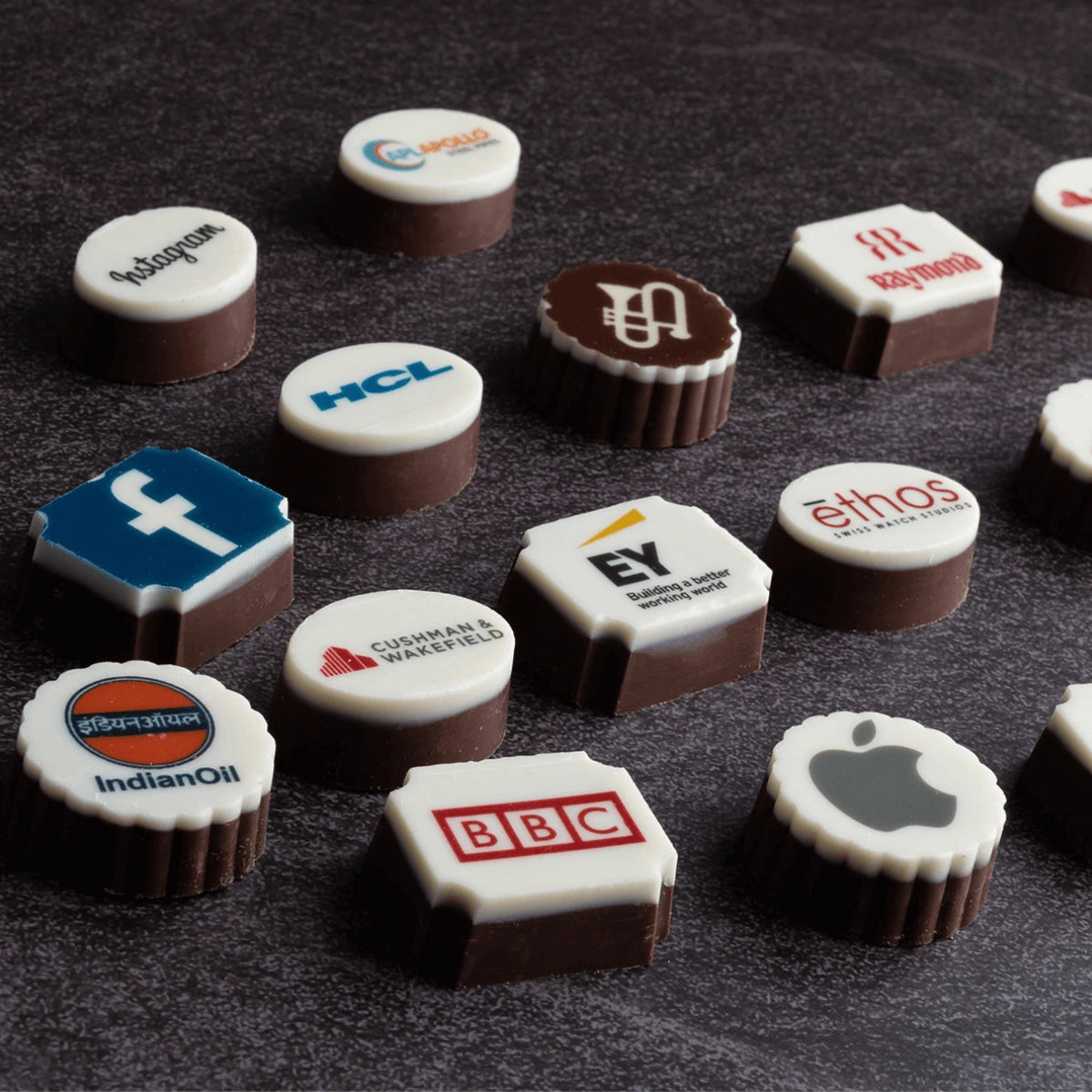
Personalized Corporate Giveaway Chocolates
Custom-branded chocolate giveaway gifts designed to boost visibility at exhibitions and corporate events.
Customize for Your BrandUsing Data to Reinforce Team Buy-In
One overlooked aspect of how to prepare your team for a trade show is explaining the “why.”
Sharing data points such as:
- Seventy-nine percent of leads are never followed up properly according to CEIR
- Trained booth staff generate up to two times more qualified leads
- Face-to-face interactions improve trust and deal velocity
When staff understand that preparation directly impacts outcomes, engagement increases.
This also supports accountability discussed in trade show KPIs every exhibitor should track .
Trends Shaping Trade Show Team Preparation
Trade shows in the United States are becoming more selective, not more crowded.
Key trends shaping team preparation include:
- Fewer giveaways with higher perceived value
- Smaller booths with stronger conversations
- Experience-led brand recall
- Post-show personalization over mass follow-ups
According to Statista , exhibitors are reallocating budgets toward staff training and premium engagement tools.
Budget-friendly giveaway gifts can still feel premium when chosen strategically—focus on usefulness over quantity. Read more →
Conclusion: Preparation Is the Real Competitive Advantage
Preparing your team for a trade show isn’t about perfection—it’s about intentionality.
When your staff understand their roles, communicate with clarity, qualify leads effectively, and use corporate giveaway gifts strategically, your booth becomes more than a presence—it becomes a performance driver.
As outlined in common trade show planning mistakes , most failures are avoidable with better preparation rather than bigger budgets.
If you’re investing in a trade show, invest equally in your people and the experience you leave behind.
- Team preparation directly impacts trade show return on investment
- Structured training outperforms improvisation
- Premium customized giveaways outperform generic swag
- Conversations, not footfall, drive results
Ready to elevate your next trade show presence? Explore premium corporate giveaway gifts from ChocoCraft designed to help your team leave a lasting impression long after the booth lights go off.

Mini Coupon Box as Giveaway
📦 Box: Logo + “Here’s a Deal”
📝 Message Inside: Coupon code — “Use this for 20% off today only”
🍫 Chocolates: One with “20% OFF”, one with “Special Offer” or logo
🎯 Purpose: Converts booth visitors into instant buyers by creating urgency and measurable online sales.
Make it for your BrandKey Information
| Focus Area | What It Means | Why It Matters |
|---|---|---|
| Team Preparation Timeline | Training staff 30–45 days before the event | Reduces confusion and improves on-site performance |
| Booth Staff Roles | Assigning openers, qualifiers, and closers | Creates smooth visitor flow and better conversations |
| Messaging Framework | Consistent value statements and discovery questions | Builds credibility and trust with attendees |
| Lead Qualification | Identifying high-intent visitors early | Improves lead quality and post-show conversion |
| Corporate Giveaway Strategy | Using premium, branded gifts intentionally | Increases brand recall and engagement |
| Post-Show Ownership | Assigning follow-up responsibility in advance | Prevents lead leakage after the event |
| Performance Tracking | Measuring KPIs like lead quality and engagement | Helps justify trade show ROI |
Frequently Asked Questions
1. How do you prepare your team for a trade show effectively?
Preparing your team for a trade show starts with early training, clear role assignments, and consistent messaging. Staff should understand the event goals, ideal attendee profiles, and how to qualify leads quickly. When teams know what to say, who to engage, and how to use corporate giveaway gifts strategically, trade show performance improves significantly.
2. When should trade show staff training begin?
Trade show staff training should ideally begin 30 to 45 days before the event. This allows enough time for messaging alignment, booth flow planning, and role clarity. Early preparation reduces last-minute stress and ensures your team is confident, coordinated, and ready to engage high-intent prospects on the show floor.
3. What should booth staff say at a trade show?
Booth staff should focus on asking discovery questions rather than delivering scripted pitches. Simple openers like “What brought you to the show?” followed by problem-focused questions help identify qualified leads. Clear, concise value statements work better than long product explanations in a busy trade show environment.
4. Why is team preparation more important than booth design?
While booth design attracts attention, team preparation determines conversion. Attendees remember conversations more than displays. A well-trained team can outperform a larger booth by engaging visitors effectively, qualifying leads, and leaving a positive brand impression that continues after the event ends.
5. How do corporate giveaway gifts support trade show success?
Corporate giveaway gifts reinforce brand recall after the event. When used strategically—after meaningful conversations rather than handed out freely—premium, customized gifts create a lasting impression. They act as physical reminders of your brand and help increase post-show engagement and follow-up response rates.
6. How do you prevent lead loss after a trade show?
Preventing lead loss starts before the event. Assign clear ownership for follow-ups, define lead qualification criteria, and align sales and marketing teams. When responsibilities are established in advance, post-show outreach becomes faster, more relevant, and more effective.
7. What are common mistakes companies make with trade show teams?
Common mistakes include inadequate training, unclear roles, inconsistent messaging, and treating giveaways as freebies. These issues lead to poor lead quality and low ROI. Most trade show failures stem from lack of preparation rather than lack of budget or foot traffic.
8. How do you measure trade show team performance?
Trade show team performance can be measured using KPIs such as qualified leads generated, engagement quality, follow-up conversion rates, and cost per lead. Tracking these metrics helps companies understand what worked and refine their team preparation strategy for future events.
9. Are trade shows still worth it for B2B companies in the USA?
Yes, trade shows remain highly valuable for B2B companies when executed correctly. Face-to-face interactions build trust faster than digital channels. Well-prepared teams supported by thoughtful gifting and clear follow-up strategies continue to see strong returns from trade show participation.
10. How can small teams compete with larger exhibitors at trade shows?
Small teams can compete effectively by focusing on preparation, conversation quality, and targeted engagement. Clear messaging, efficient lead qualification, and memorable corporate giveaway gifts allow smaller exhibitors to outperform larger booths that rely only on size or visibility.
