

10 Corporate Holiday Gifting Mistakes Businesses Should Avoid (and What to Do Instead)
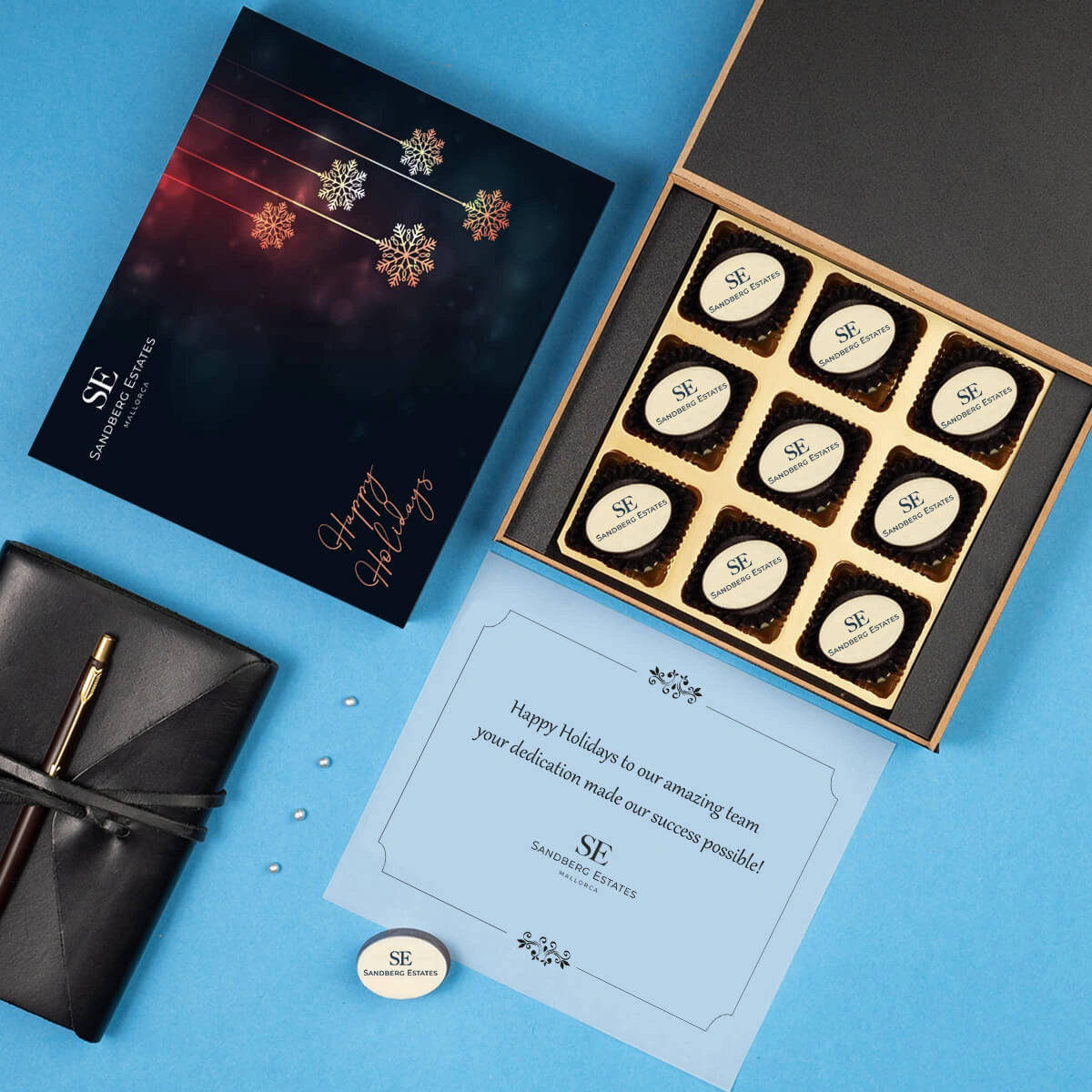
10 Corporate Holiday Gifting Mistakes Businesses Should Avoid (and What to Do Instead)
Shop Holiday GiftsKey Takeaways
-
Thoughtfulness beats budget. The most successful corporate holiday gifts are relevant, personalized, and meaningful rather than simply expensive. Recipients remember how a gift made them feel more than its price tag.
-
Avoid common corporate gifting mistakes. Generic gifts, last-minute planning, poor personalization, and ignoring company gift policies can significantly reduce the impact of your gifting efforts.
-
Personalization creates stronger connections. Customized gifts with names, messages, or branding help employees, clients, and partners feel genuinely appreciated and valued.
-
Plan early and segment recipients. Different audiences have different expectations. Tailoring gifts for employees, clients, VIP customers, and business partners improves engagement and gifting ROI.
-
Corporate gifting is a relationship-building strategy. When approached thoughtfully, holiday gifting can strengthen loyalty, improve retention, reinforce company culture, and create memorable brand experiences.
Corporate holiday gifting is one of the few business traditions that can simultaneously strengthen employee engagement, deepen client relationships, reinforce company culture, and create memorable brand experiences. Yet despite the best intentions, many organizations make corporate gifting mistakes that reduce the impact of their investment—or worse, damage the very relationships they hope to strengthen.
Imagine receiving a holiday gift from a business partner you've worked with all year. Instead of a thoughtful gesture, it's a generic promotional item with a large company logo slapped on it. It arrives late, includes no personal note, and feels more like advertising than appreciation. Chances are, you won't remember it for long.
Now imagine receiving a beautifully presented gift accompanied by a personalized message thanking you for your specific contribution or partnership. The difference isn't necessarily the budget—it's the thoughtfulness behind the experience.
That's why successful companies treat holiday gifting as a strategic relationship-building tool rather than a year-end obligation. Whether you're recognizing employees, thanking clients, rewarding partners, or strengthening customer loyalty, avoiding common business gift errors can dramatically improve results.
If you're currently planning your gifting strategy, our guide to Company Holiday Gifts explores how businesses can create meaningful gifting experiences that leave lasting impressions.
In this guide, we'll explore the most common corporate holiday gifting mistakes businesses make, why they matter, and what to do instead. We'll also answer questions many decision-makers ask, such as:
-
What are the most common corporate gifting mistakes?
-
How do businesses avoid holiday gifting mistakes?
-
Should corporate gifts be personalized?
-
What makes a corporate gift memorable?
-
How can companies improve their holiday gifting strategy?
The answers may surprise you.
Company Holiday Gifts
Delight your employees and clients with personalized festive chocolate gift boxes.
Shop NowWhy Corporate Holiday Gifting Matters More Than Most Businesses Realize
Many companies underestimate the role gifting plays in professional relationships.
Corporate gifts are often viewed as a nice gesture, but research in workplace recognition and relationship marketing suggests they can have a measurable impact on engagement, loyalty, and retention. According to research published by Gallup on employee recognition, employees who feel genuinely appreciated are more likely to remain engaged and committed to their organizations.
The same principle applies to clients.
A thoughtful holiday gift serves as a tangible reminder that the relationship extends beyond contracts, invoices, and meetings. In an increasingly digital business environment, physical gifts create memorable moments that emails and social media messages rarely achieve.
This is particularly important during the holiday season when businesses are competing for attention.
The challenge is that many organizations unintentionally undermine their efforts through avoidable corporate gift giving mistakes.
Some businesses:
-
Send gifts too late
-
Choose generic products
-
Ignore recipient preferences
-
Focus entirely on branding
-
Fail to personalize gifts
-
Overspend without a clear strategy
These mistakes don't just reduce effectiveness—they can make recipients feel like an afterthought.
Before discussing solutions, let's look at one of the biggest corporate holiday gifting mistakes companies make.
For businesses developing a gifting plan, our article on How to Choose Corporate Holiday Gifts offers additional guidance on selecting gifts that resonate with different recipient groups.
Mistake #1: Treating Corporate Gifts as a Transaction Instead of a Relationship Builder
One of the most common corporate gifting mistakes is viewing gifting as a box to check.
Many companies allocate a budget, purchase gifts in bulk, send them out, and move on.
The problem?
Recipients can tell the difference between appreciation and obligation.
A gift should communicate:
"We value this relationship."
Not:
"We had gifting budget remaining."
The most successful corporate gifting strategies focus on emotional connection rather than simple distribution.
What to Do Instead
Ask yourself:
-
What relationship are we trying to strengthen?
-
What feeling do we want the recipient to experience?
-
What message should accompany the gift?
For example:
Instead of sending a standard branded notebook to every client, a business might send a personalized gift accompanied by a note referencing a successful project completed during the year.
The perceived value immediately increases.
This principle is supported by gift-giving psychology research, which consistently shows that recipients often value thoughtfulness more than monetary cost.
Christmas Chocolate Gift Box
Delight your employees and clients with festive custom chocolate boxes.
Explore NowMistake #2: Choosing Generic Gifts That Nobody Remembers
Think about the last corporate gift you received.
Can you remember it?
If not, you're not alone.
One of the biggest business holiday gift mistakes is selecting products that are technically useful but emotionally forgettable.
Examples include:
-
Generic mugs
-
Basic calendars
-
Low-quality desk accessories
-
Mass-produced promotional merchandise
The issue isn't necessarily the product itself.
The issue is that the gift lacks meaning.
Recipients are exposed to countless branded items throughout the year. Generic gifts rarely stand out.
Why Personalization Changes Everything
Research consistently suggests that personalized gifts create stronger emotional connections because recipients perceive greater effort and thoughtfulness.
This is one reason personalized corporate gifts continue to outperform generic alternatives.
For example, ChocoCraft's customized chocolate gift boxes allow businesses to incorporate:
-
Company logos
-
Recipient names
-
Personalized messages
-
Photos
-
Special holiday greetings
The result is a gift that feels created specifically for the recipient rather than purchased for a list.
Businesses interested in customized gifting solutions can explore Corporate Gifts designed for employees, clients, partners, and stakeholders.
Quick Tip
A memorable gift does not have to be expensive.
A personalized gift worth $30 often creates a stronger impression than a generic gift worth $100.
That makes personalization one of the highest-return investments in any corporate gifting campaign.
For more ideas, see our guide on Personalizing Corporate Holiday Gifts.
Mistake #3: Waiting Until the Last Minute
If there is one corporate gift planning mistake that affects nearly every aspect of gifting success, it's poor timing.
Many organizations begin planning holiday gifts only a few weeks before they need them delivered.
This creates multiple problems:
-
Limited product availability
-
Increased shipping costs
-
Reduced customization options
-
Production bottlenecks
-
Delivery delays
The most successful gifting programs often begin months before the holiday season.
Why Early Planning Matters
Early planning allows businesses to:
-
Personalize gifts effectively
-
Segment recipients
-
Control budgets
-
Verify addresses
-
Coordinate delivery schedules
-
Ensure product availability
It also reduces stress for internal teams managing the gifting process.
Think of holiday gifting like event planning.
The earlier you start, the more options you have.
The later you wait, the more compromises you'll make.
What to Do Instead
Create a gifting timeline that includes:
- Recipient selection
- Budget approval
- Gift selection
- Personalization
- Production
- Shipping
- Follow-up
Businesses frequently ask:
How early should companies plan holiday gifting?
A practical answer is: earlier than you think.
Our detailed guide on When to Send Corporate Holiday Gifts explains ideal planning and delivery timelines.
Mistake #4: Sending the Same Gift to Every Recipient
Not all relationships are equal.
Yet many companies use a one-size-fits-all gifting approach.
An executive client who generates significant annual revenue likely deserves a different gifting experience than a new prospect.
Similarly, long-serving employees may appreciate different gifts than new team members.
Treating every recipient identically can reduce the effectiveness of your gifting strategy.
A Better Approach: Recipient Segmentation
Consider creating categories such as:
Employees
Focus on appreciation and recognition.
Clients
Focus on relationship building and gratitude.
VIP Clients
Focus on exclusivity and personalization.
Business Partners
Focus on long-term collaboration and shared success.
This doesn't necessarily mean dramatically increasing budgets.
It means increasing relevance.
For businesses evaluating gifting budgets across recipient groups, our guide on Corporate Holiday Gift Budget Planning provides practical recommendations.
In the second half of this guide, we'll explore additional corporate gift etiquette mistakes, compliance considerations, data-backed insights, real-world examples, and a step-by-step framework for building a holiday gifting strategy that strengthens relationships and delivers lasting impact.
Mistake #5: Ignoring Corporate Gift Etiquette and Company Policies
One of the most overlooked corporate gift etiquette mistakes is assuming that every recipient can freely accept any gift.
In reality, many organizations have gifting policies that limit the value, type, or frequency of gifts employees can receive. This is especially common in industries such as finance, healthcare, government contracting, insurance, and procurement.
A gift intended to strengthen a relationship can quickly become a compliance issue if company policies are ignored.
This is why experienced gifting professionals always recommend understanding the recipient's policies before selecting gifts.
What Can Go Wrong?
-
The recipient cannot accept the gift.
-
The gift is returned.
-
The recipient feels uncomfortable.
-
The gesture creates compliance concerns.
-
The relationship becomes awkward instead of stronger.
What to Do Instead
Before finalizing your corporate holiday gifting strategy:
-
Review recipient company policies.
-
Keep gifts professional and appropriate.
-
Avoid gifts that could be perceived as influencing decisions.
-
Focus on thoughtful appreciation rather than extravagant spending.
For a deeper dive into business gifting best practices, read our guides on Corporate Holiday Gift Etiquette and Corporate Holiday Gift Policies.
The IRS guidelines on business gifts also provide useful information regarding gift-related tax considerations for businesses.
Christmas Chocolate Gift Box
Delight your employees and clients with festive custom chocolate boxes.
Explore NowMistake #6: Forgetting the Personal Message
Many companies invest significant money in gifts but spend almost no time crafting the accompanying message.
Ironically, recipients often remember the message as much as the gift itself.
Think about it this way.
A holiday gift without a note feels like a package.
A holiday gift with a meaningful message feels like appreciation.
Example
Generic Message:
Happy Holidays from our team.
Personalized Message:
Thank you for your partnership and trust throughout the year. We appreciate the opportunity to work together and look forward to continued success together.
The second message creates emotional value that far exceeds its cost.
This is one reason personalized corporate gifts continue to outperform generic alternatives.
Mistake #7: Making the Gift About Your Brand Instead of the Recipient
Many business gift errors occur because companies confuse promotional merchandise with appreciation gifts.
There is nothing wrong with including your logo.
The problem arises when the branding becomes the entire purpose of the gift.
A Helpful Rule
Ask yourself:
Would someone still enjoy receiving this gift if our logo were removed?
If the answer is no, it may be more promotional than appreciative.
The best corporate gifts balance branding and recipient enjoyment.
For example, a premium chocolate gift box featuring a subtle logo alongside a personalized message feels thoughtful rather than promotional.
This approach allows businesses to reinforce brand awareness while maintaining authenticity.
For additional best practices, see our guide on Corporate Gifting Dos and Don'ts.
Mistake #8: Ignoring Recipient Preferences and Cultural Sensitivities
One of the most avoidable corporate holiday gifting mistakes is assuming that everyone will appreciate the same type of gift.
Modern workplaces and client networks are more diverse than ever. Employees, customers, and business partners come from different cultural, religious, dietary, and personal backgrounds. A gift that feels thoughtful to one recipient may feel irrelevant—or even uncomfortable—to another.
Common Examples
-
Sending alcohol to recipients who don't drink.
-
Choosing gifts that conflict with dietary restrictions.
-
Assuming everyone celebrates the same holiday.
-
Selecting highly personal gifts that cross professional boundaries.
The safest and most effective corporate gifts are inclusive, professional, and widely appreciated. Premium food gifts, personalized chocolates, gourmet treats, and customized keepsakes often perform well because they appeal to a broad audience while still allowing for personalization.
What to Do Instead
Mistake #9: Focusing Only on Cost Instead of Value
Many businesses assume that spending more automatically creates a better impression.
In reality, recipients rarely judge gifts solely by their price tag. What they remember is the overall experience—the presentation, relevance, personalization, and message behind the gift.
This is one reason expensive gifts sometimes fail while modest but thoughtful gifts succeed.
The Difference Between Cost and Value
-
Cost is what the business spends.
-
Value is what the recipient experiences.
For example, a luxury item with no personal relevance may generate less appreciation than a beautifully presented personalized gift that acknowledges a meaningful relationship.
The best corporate gifting strategies focus on maximizing perceived value rather than simply increasing budget.
What to Do Instead
When evaluating gift options, ask:
-
Does this gift feel personal?
-
Will the recipient remember it?
-
Does it align with our relationship?
-
Does it communicate appreciation?
These questions often matter more than the price itself.
Mistake #10: Failing to Connect the Gift to a Larger Employee or Client Appreciation Strategy
Another common business gift error is treating holiday gifting as a once-a-year activity.
The most successful organizations view gifting as part of a broader appreciation strategy rather than a standalone event.
A holiday gift should reinforce an ongoing culture of recognition and relationship-building—not compensate for a lack of appreciation throughout the year.
Why This Matters
Employees and clients are more likely to respond positively when holiday gifts are part of a consistent pattern of appreciation.
For example:
-
Employee recognition programs throughout the year.
-
Regular client appreciation initiatives.
-
Personalized milestone celebrations.
-
Anniversary and achievement recognition.
Holiday gifting becomes significantly more meaningful when it builds upon an existing relationship rather than attempting to create one from scratch.
What to Do Instead
Think of corporate holiday gifting as the culmination of your annual appreciation efforts.
The gift should reinforce a message recipients have already heard through your actions:
We value your contribution, appreciate your partnership, and look forward to continuing our relationship.
When gifting aligns with a broader appreciation strategy, it stops being a seasonal obligation and becomes a powerful relationship-building tool.
What Research Says About Effective Corporate Gifting
One reason businesses continue investing in holiday gifting is simple: relationships matter.
Research from Gallup's workplace recognition research shows that meaningful recognition positively influences employee engagement, loyalty, and workplace satisfaction.
Similarly, gift-giving psychology studies indicate that recipients often value thoughtfulness and relevance more than the actual monetary value of a gift.
According to research highlighted by Time's analysis of gift-giving psychology, thoughtful gifts tend to create stronger emotional responses than expensive but impersonal gifts.
Interesting Fact
One of the most surprising findings in gift-giving research is that gift recipients frequently remember how a gift made them feel long after they've forgotten the product itself.
That's why personalization, presentation, and messaging often matter more than increasing your budget.
Real-World Scenario
Consider two client appreciation campaigns:
-
Company A sends generic branded merchandise to 500 clients.
-
Company B sends personalized gifts to its top 100 clients with customized messages.
Company A reaches more people.
Company B creates stronger relationships.
For most organizations, the second approach generates a better return on investment.
Insights from Harvard Business Review's research on recognition and appreciation support the idea that meaningful recognition strengthens professional relationships and engagement.
A Simple Framework for Avoiding Corporate Holiday Gifting Mistakes
If you're wondering how to avoid corporate gifting mistakes altogether, use this simple framework.
Step 1: Define Your Objective
What are you trying to accomplish?
-
Employee appreciation
-
Client retention
-
Partner recognition
-
Customer loyalty
-
Brand reinforcement
Step 2: Segment Recipients
Avoid treating everyone identically.
Create recipient groups based on:
-
Relationship value
-
Role
-
Length of association
-
Business impact
Step 3: Personalize Thoughtfully
Personalization doesn't have to be complicated.
Even small details can make a meaningful difference:
-
Names
-
Custom messages
-
Company branding
-
Relevant themes
For example, businesses can choose customized holiday gift boxes such as:
Step 4: Plan Early
One of the easiest ways to avoid holiday gifting mistakes is simply starting earlier.
Early planning creates more flexibility, better personalization opportunities, and lower stress.
Step 5: Measure Results
Many companies never evaluate gifting effectiveness.
Track metrics such as:
-
Client responses
-
Employee feedback
-
Retention rates
-
Renewals
-
Referral activity
Corporate gifting should be treated as a relationship-building investment, not just a seasonal expense.
Expert Insight: The Future of Corporate Holiday Gifting
Corporate gifting continues to evolve.
Businesses are increasingly moving away from generic gifts and toward personalized experiences.
Today's recipients expect:
-
Personalization
-
Thoughtfulness
-
High-quality presentation
-
Authentic appreciation
-
Relevant gifting experiences
According to insights published by McKinsey on employee experience and engagement, organizations that invest in meaningful employee and stakeholder experiences often build stronger long-term relationships.
The same philosophy applies to holiday gifting.
The future belongs to gifts that feel personal, memorable, and relationship-focused rather than transactional.
Businesses operating in unique markets may also benefit from understanding regional expectations. For example, gifting norms in major business hubs can vary significantly. Our guides on Corporate Holiday Gifts New York Etiquette and Corporate Holiday Gifts in Silicon Valley provide location-specific insights.
Christmas Chocolate Gift Box
Delight your employees and clients with festive custom chocolate boxes.
Explore NowConclusion: Small Gifting Mistakes Can Have a Big Impact
Corporate holiday gifting is far more than a seasonal tradition. When executed thoughtfully, it can strengthen employee engagement, deepen client relationships, reinforce loyalty, and create lasting positive impressions.
The most common corporate gifting mistakes—sending generic gifts, waiting until the last minute, ignoring personalization, overlooking etiquette, and focusing too heavily on branding—are all avoidable.
The businesses that achieve the best results focus on relevance, thoughtfulness, timing, and authenticity.
Whether you're recognizing employees, thanking clients, or celebrating business partners, the goal should always be the same:
Create a meaningful experience that makes people feel valued.
When done right, a holiday gift becomes more than a product—it becomes a relationship-building moment that recipients remember long after the holiday season has passed.
Ready to create memorable holiday gifting experiences? Explore ChocoCraft's personalized corporate gifting solutions designed to help businesses strengthen relationships through thoughtful, customized gifts.
Key Information
| Corporate Gifting Area | Common Mistake | Recommended Best Practice |
|---|---|---|
|
Gift Selection |
Choosing generic gifts that lack meaning |
Select thoughtful, personalized gifts that reflect appreciation |
|
Personalization |
Sending identical gifts to all recipients |
Customize gifts based on recipient type, relationship, or preferences |
|
Planning & Timing |
Waiting until the last minute to order gifts |
Start planning early to allow time for customization and delivery |
|
Gift Messaging |
Including no personal note or appreciation message |
Add a sincere, personalized message that acknowledges the recipient |
|
Branding |
Making the gift feel like a promotional product |
Use branding subtly while focusing on recipient experience |
|
Compliance |
Ignoring company gifting policies or restrictions |
Review gift policies and ensure gifts are appropriate and compliant |
|
Strategy & Measurement |
Treating gifting as a one-time expense |
Measure impact through engagement, retention, referrals, and client feedback |
FAQs: Corporate Holiday Gifting Mistakes Businesses Should Avoid
1. What are the most common corporate gifting mistakes businesses make?
Some of the most common corporate gifting mistakes include choosing generic gifts, waiting until the last minute, ignoring recipient preferences, overlooking company gift policies, and focusing too much on branding. These business gift errors can reduce the impact of your gifting efforts and make recipients feel like an afterthought. The most effective corporate gifts are thoughtful, relevant, and personalized to the recipient's role, relationship, or interests.
2. How can businesses avoid holiday gifting mistakes?
Businesses can avoid holiday gifting mistakes by planning early, setting a clear budget, segmenting recipients, personalizing gifts, and understanding company gift policies. Creating a corporate gifting strategy before the holiday season helps ensure gifts are meaningful, delivered on time, and aligned with business objectives. A thoughtful approach increases the likelihood of strengthening relationships with employees, clients, and business partners.
3. Why do some corporate gifts fail to make an impression?
Corporate gifts often fail when they feel generic, impersonal, or purely promotional. Recipients are more likely to remember gifts that demonstrate thoughtfulness and effort. A customized gift with a personalized message typically creates a stronger emotional connection than a mass-produced item. Successful corporate holiday gifts focus on appreciation and relationship building rather than simply displaying a company logo.
4. Should corporate holiday gifts be personalized?
Yes, personalization can significantly improve the effectiveness of corporate holiday gifts. Personalized gifts show recipients that extra thought went into the gesture, making them feel valued and appreciated. Simple customizations such as names, personalized messages, company branding, or tailored gift selections can transform an ordinary gift into a memorable experience that strengthens professional relationships and enhances brand perception.
5. How much should a company spend on corporate holiday gifts?
There is no universal corporate gifting budget that works for every business. The ideal amount depends on your industry, recipient type, and business goals. Instead of focusing solely on cost, prioritize relevance and thoughtfulness. A well-chosen personalized gift can often create a greater impact than a more expensive generic item. Many successful businesses use tiered budgets based on employees, clients, partners, and VIP stakeholders.
6. Is it okay to give the same gift to every employee and client?
While it may seem efficient, giving the same gift to everyone is one of the most common business holiday gift mistakes. Different recipient groups often have different expectations and preferences. Employees, clients, and strategic partners may appreciate different types of gifts. Segmenting recipients and tailoring gifts accordingly can improve engagement, increase appreciation, and maximize the effectiveness of your corporate gifting strategy.
7. What makes a corporate gift feel thoughtful and memorable?
A thoughtful corporate gift reflects an understanding of the recipient and includes a personal touch. Factors such as personalization, quality presentation, relevance, and a sincere message all contribute to a memorable gifting experience. Gifts that acknowledge a recipient's contribution, partnership, or achievements tend to leave a lasting impression and strengthen business relationships more effectively than generic promotional items.
8. Can corporate gifting help improve client relationships?
Yes, strategic corporate gifting can play an important role in client retention and relationship building. A well-timed holiday gift demonstrates appreciation, reinforces goodwill, and helps keep your company top of mind. Thoughtful client gifts can strengthen trust, encourage long-term loyalty, and differentiate your business from competitors. The key is choosing gifts that feel authentic and aligned with the recipient's preferences.
9. When should businesses start planning their corporate holiday gifting program?
Businesses should ideally begin planning their corporate holiday gifting program several months before the holiday season. Early planning provides more time for personalization, budget approvals, inventory management, and shipping logistics. Starting early also reduces the risk of delivery delays and limited product availability. Companies that plan ahead often have access to better gifting options and more customization opportunities.
10. Are branded corporate gifts still effective?
Branded corporate gifts can be highly effective when branding is subtle and balanced with recipient value. The best corporate gifts focus first on appreciation and experience, with branding serving as a secondary element. Overly promotional gifts can feel like marketing materials rather than genuine gestures of gratitude. A high-quality gift that combines thoughtful presentation, personalization, and tasteful branding typically delivers the strongest results.
