

Brand Awareness Giveaway Mistakes to Avoid: Smart Promotional Swag Tips for Better Branding in the USA
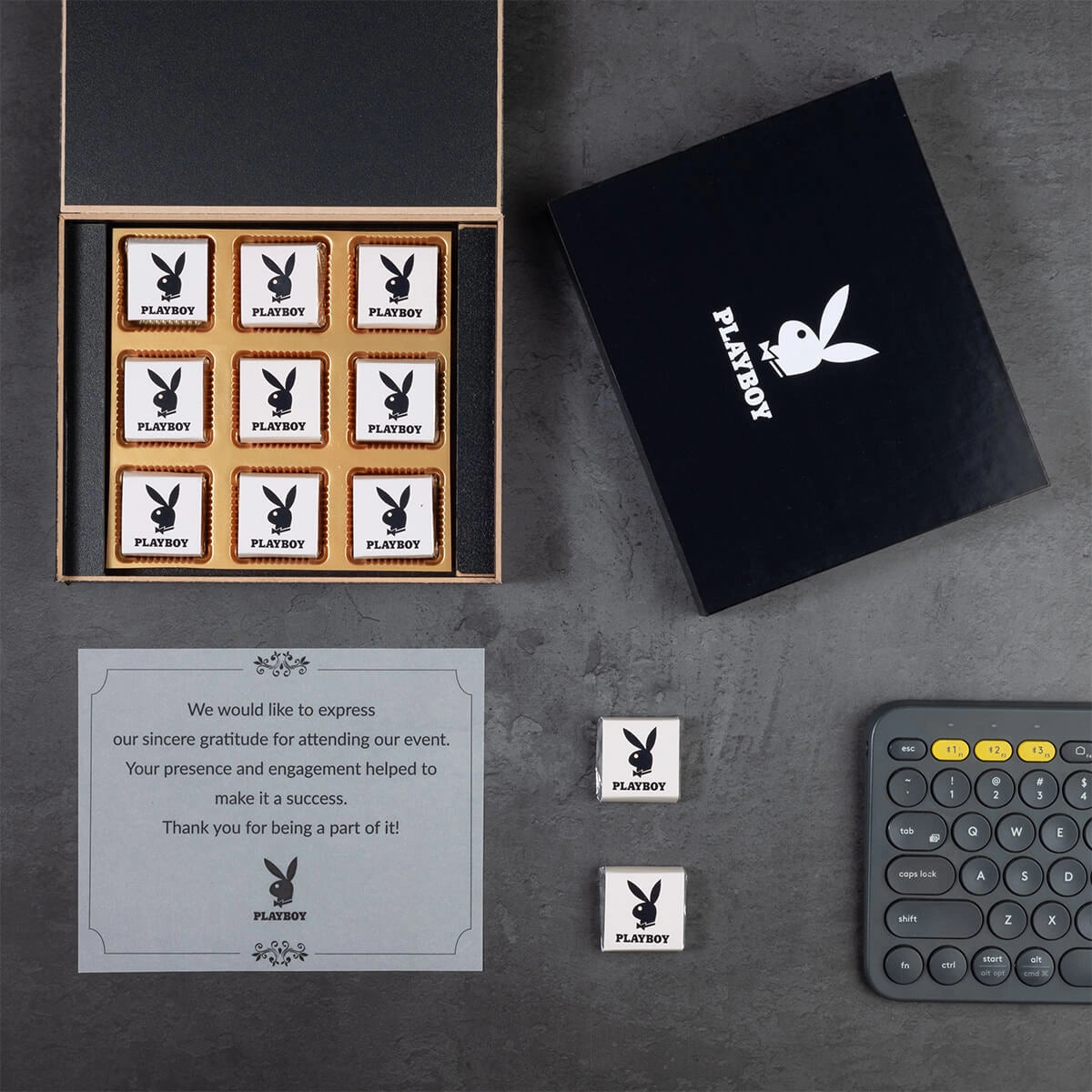
Brand Awareness Giveaway Mistakes to Avoid: Smart Promotional Swag Tips for Better Branding in the USA
Explore Giveaway Gifts
Key Takeaways
-
Brand awareness giveaways fail when they are treated as cheap freebies instead of strategic brand touchpoints.
-
Low-quality or irrelevant promotional swag can harm brand perception more than it helps brand recall.
-
The most effective giveaways focus on relevance, quality, personalization, and audience alignment rather than volume.
-
Premium, experiential giveaways—such as customized chocolate gifts—create stronger emotional connections and memorability.
-
Measuring giveaway impact beyond distribution numbers is essential to avoid repeated branding campaign error.
Why Most Brand Giveaways Fail Before They Begin
Brand awareness giveaways are everywhere—from trade shows and corporate events to product launches and CSR initiatives. In theory, they’re designed to spark attention, create recall, and leave prospects with a positive brand impression. In reality, many companies in the USA make brand awareness giveaway mistakes that quietly drain budgets without delivering meaningful results.
The problem isn’t that giveaways don’t work. The problem is that too many organizations treat promotional swag as a checkbox activity instead of a strategic branding tool. When giveaways lack purpose, relevance, or quality, they become forgettable—or worse, damaging to brand perception.
This is especially critical for businesses investing heavily in corporate gifting for events like trade shows and exhibitions. When done right, giveaways can amplify brand visibility and trust. When done wrong, they blend into the noise of ineffective marketing tactics.
For brands planning experiential gifting strategies—such as giveaway gifts for expos and trade shows —understanding what not to do is just as important as knowing what works.
In this blog, we’ll break down the most common promotional swag pitfalls, explain why branding campaign errors happen, and share expert marketing giveaway tips to help you avoid costly mistakes. Whether you’re a startup or an enterprise brand, this guide will help you turn giveaways into assets—not afterthoughts.
For B2B audiences, premium giveaway gifts signal credibility and help position your brand as high-value and trustworthy. Read more →
The Role of Giveaways in Modern Brand Marketing
Corporate giveaways have long been a staple of brand marketing in the USA. From logo pens and tote bags to premium gift boxes, promotional products have been used for decades to increase brand visibility and recall.
According to industry data published by the Promotional Products Work initiative, promotional items generate some of the highest brand recall rates among offline marketing channels. This explains why the promotional products industry in the USA continues to be valued at billions of dollars annually.
However, the landscape has changed. Today’s buyers are more selective, environmentally conscious, and experience-driven. What worked ten years ago—mass-produced, low-cost swag—often fails to resonate now.
This shift has created a widening gap between brands that use giveaways strategically and those that rely on outdated tactics. Many branding campaign errors stem from failing to recognize this evolution.
Modern buyers expect giveaways to reflect the brand’s values, quality standards, and attention to detail. This is where premium, customized gifting—such as personalized chocolate boxes with branded messaging—has started replacing generic merchandise.
Brands exploring responsible gifting often align giveaways with CSR initiatives, similar to ideas discussed in best giveaway gifts for corporate CSR events and sustainable CSR giveaway ideas .
Corporate Giveaway Gifts for Expo, Exhibition & Trade Shows
Attract attention and drive brand recall with premium corporate giveaway gifts featuring personalized chocolate branding for expos and trade shows.
Explore Giveaway Gifts NowThe Core Problem: Common Brand Awareness Giveaway Mistakes Companies Make
At the heart of most promotional swag pitfalls is a disconnect between intention and execution. Brands want awareness, recall, and goodwill—but their giveaways often communicate the opposite.
Here are some of the most common brand awareness giveaway mistakes seen across marketing campaigns in the USA:
- Choosing cheap, low-quality items that reflect poorly on the brand
- Distributing the same swag to every audience segment
- Focusing on quantity over perceived value
- Lack of clear branding or messaging
- No plan to measure effectiveness or ROI
Each of these mistakes sends an unintended message. A flimsy giveaway can subconsciously signal that the brand cuts corners. An irrelevant item suggests the brand doesn’t understand its audience.
In contrast, thoughtfully curated giveaways signal respect, credibility, and professionalism. This is why many brands now prefer premium corporate gifting formats, such as customized chocolate boxes, which feel intentional rather than disposable.
Corporate buyers evaluating options often explore structured collections like corporate gifts that allow them to match gifting formats to audience type and campaign goals.
Key Concepts & Strategic Pillars for Effective Brand Giveaways
To avoid branding campaign errors, giveaways must be anchored in strategy. High-performing brands typically follow a few foundational principles that guide their gifting decisions.
- Relevance: The giveaway should align with the recipient’s interests and expectations.
- Quality: Premium materials and finishes elevate perceived brand value.
- Consistency: Design, messaging, and tone should match overall brand identity.
- Experience: Packaging, personalization, and presentation matter.
- Longevity: The longer the item stays with the recipient, the stronger the recall.
For example, edible gifts like branded chocolates offer built-in advantages. They are universally appreciated, encourage sharing, and create positive sensory associations with the brand.
Brands applying these principles often explore multi-format gifting options, such as:
When giveaways are treated as brand touchpoints rather than freebies, they become powerful tools for long-term brand awareness.
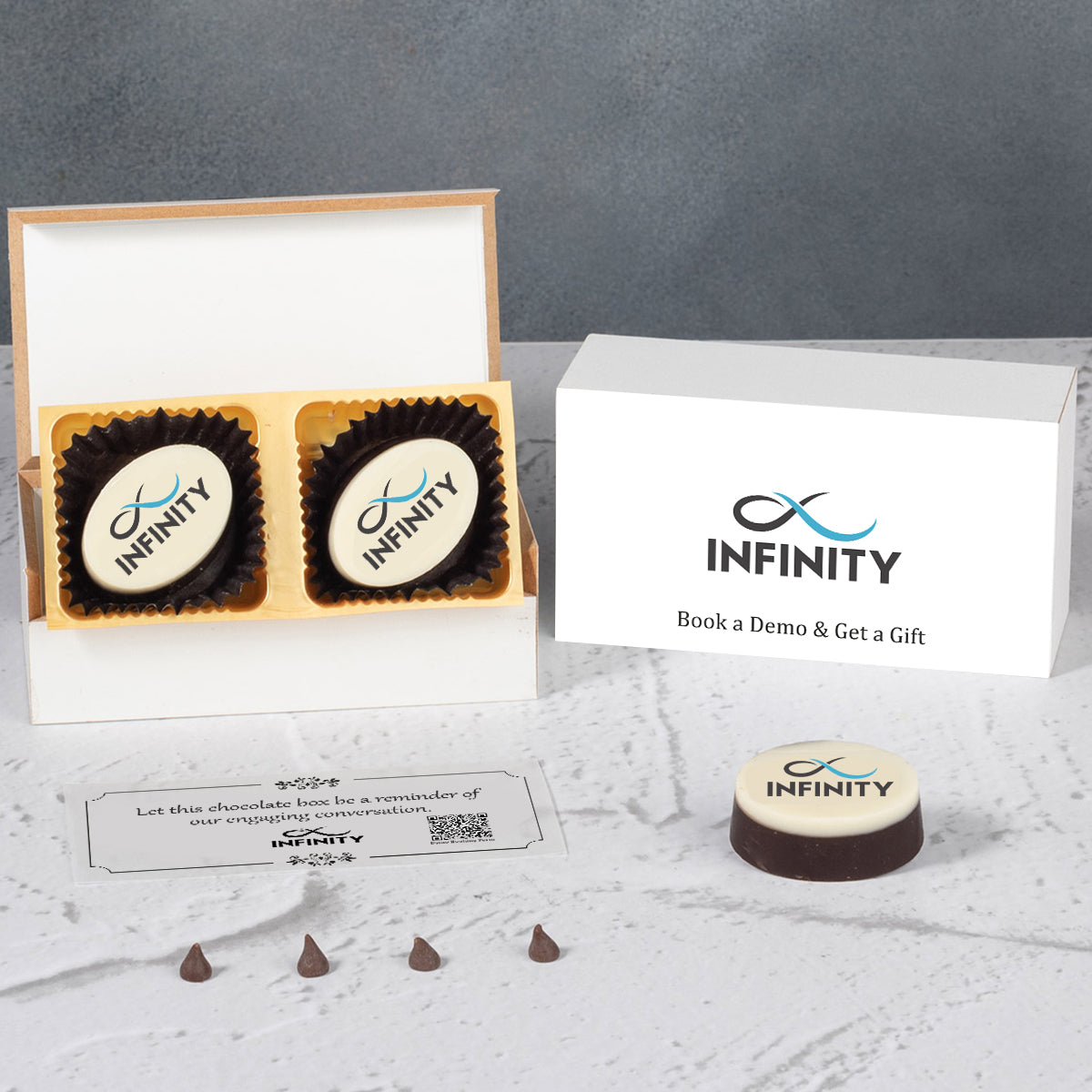
Book a Demo - Chocolate Box
📦 Box: Logo + “Book a Demo & Get a Gift”
📝 Message Inside: QR code linking to a demo booking form
🍫 Chocolates: One with “Demo” or calendar icon, one with logo
🎯 Purpose: Incentivizes visitors to book a demo, turning booth interest into qualified, scheduled leads.
Make it for your Brand
Data, Research & Real-World Evidence: What Actually Goes Wrong
One of the most common branding campaign errors companies make is assuming that giveaways fail because “swag doesn’t work anymore.” In reality, poor execution—not the concept—is the problem.
According to research by the Advertising Specialty Institute, promotional products have one of the lowest cost-per-impression among advertising channels, often outperforming digital ads in brand recall and longevity. Yet the same studies reveal that items perceived as cheap, irrelevant, or disposable are discarded within days—sometimes minutes.
A widely cited study from Promotional Products Work found that over 70% of consumers remember a brand on a promotional item they kept, but fewer than 25% recall brands on low-quality swag they threw away quickly. This gap is where most promotional swag pitfalls occur.
A Real-World Scenario
Imagine two brands at the same U.S. trade show:
- Brand A hands out generic plastic pens with a tiny logo.
- Brand B offers a beautifully packaged, logo-printed chocolate box—customized with the event name and a short thank-you message.
A week later, which brand do attendees remember? Which one sparked a conversation, a photo, or a social share?
This difference highlights a core truth: brand awareness giveaways fail when they’re forgettable.
Many companies also fail to measure outcomes. They distribute thousands of items without tracking:
- Lead quality
- Brand recall after the event
- Engagement triggered by the giveaway
This is a major reason marketing giveaway tips now emphasize intentional design, relevance, and follow-up over volume.
For deeper insight into measuring impact, brands often explore frameworks similar to those outlined by the Promotional Products Association International (PPAI).
How to Avoid Brand Awareness Giveaway Mistakes: A Practical Framework
Avoiding corporate giveaway mistakes doesn’t require bigger budgets—it requires smarter decisions. Here’s a proven framework used by high-performing marketing teams in the USA.
Start with the Memory You Want to Create
Instead of asking, “What giveaway should we give?” ask, “What should people remember about us?”
This mindset shift prevents branding campaign errors such as mismatched swag or unclear messaging. Memorable promotional gifts connect emotionally—through taste, design, personalization, or storytelling.
This is why premium, customized giveaways like printed chocolates work so well. Taste and personalization activate multiple senses, dramatically improving brand recall compared to generic merchandise.
You can see how this approach aligns with modern giveaway strategies by exploring curated options like giveaway gifts for expos and trade shows .

QR Code + Your Logo with Message
📦 Box: Centered logo with “Scan to Know More”
📝 Message Inside: Bold QR code to product catalogue or WhatsApp Business chat
🍫 Chocolates: One with logo, one with QR icon + “Scan Me”
🎯 Purpose: Seamlessly bridges offline to online—enabling instant, trackable engagement without brochures.
Make it for your BrandMatch the Giveaway to the Audience, Not the Budget
One of the most overlooked promotional swag pitfalls is audience mismatch.
A senior decision-maker, investor, or enterprise buyer expects a different experience than a student or casual visitor. Giving everyone the same low-value item often leads to ineffective brand giveaways.
Instead:
- Segment audiences
- Offer fewer but higher-quality items
- Personalize wherever possible
This is where custom corporate gifts outperform mass swag. Thoughtfully branded chocolate boxes—customized with logos, names, or campaign messages—feel intentional, not transactional.
Explore curated corporate gifting formats here: corporate gifts collection .
Budget-friendly giveaway gifts can still feel premium when chosen strategically—focus on usefulness over quantity. Read more →
Don’t Ignore Sustainability & Ethics
In the USA, sustainability is no longer optional—it’s expected. A major branding campaign error is giving away items that conflict with your brand’s values.
Single-use plastics, excessive packaging, or wasteful swag can actively harm brand perception.
Many marketers now integrate giveaways with CSR initiatives or ethical sourcing. If sustainability is part of your brand narrative, align giveaways accordingly. For inspiration, explore ideas discussed in resources like eco-friendly CSR giveaways and ethical giveaway gifts .
Trends & Expert Insights: Where Brand Giveaways Are Headed
The future of effective brand giveaways in the USA is shaped by experience, personalization, and measurability.
According to insights published in Harvard Business Review and McKinsey Quarterly, modern branding is moving away from impressions and toward emotional connection and recall.
- Personalized swag over mass distribution
- Edible, experiential gifts over clutter
- Smaller quantities, higher perceived value
- Integration with digital follow-ups
- Sustainable materials and ethical sourcing
Premium gifting formats—such as customized chocolate boxes with elegant packaging—fit perfectly into this shift.

Story Telling Chocolate Box
📦 Box: Logo + “Our Story in One Bite”
📝 Message Inside: One-line brand milestone (e.g., “From a garage to 50+ countries in 10 years”)
🍫 Chocolates: One with “10 Years”, one with logo
🎯 Purpose: Humanizes the brand through a quick, emotional story—making it more memorable and shareable.
Make it for your BrandConclusion
Brand awareness giveaways are not failing—poorly planned giveaways are.
- Focus on memorability, not quantity
- Align giveaways with brand values and audience
- Invest in quality and personalization
- Measure impact beyond distribution numbers
If you’re planning your next campaign, explore thoughtfully curated gifting options:
Choose giveaway gifts that naturally attract attention at exhibitions—items that spark curiosity help drive higher booth footfall. Read more →
Key Information
| Giveaway Aspect | Common Mistake Brands Make | What Works Better for Brand Awareness |
|---|---|---|
| Giveaway Objective | Giving swag without a clear goal | Align giveaways with brand awareness or recall goals |
| Product Quality | Choosing cheap promotional items | Investing in premium, high-perceived-value gifts |
| Audience Targeting | Same swag for all recipients | Segmenting giveaways by audience type |
| Brand Messaging | Minimal or unclear branding | Thoughtful personalization with logos and messages |
| Sustainability | Ignoring environmental impact | Eco-friendly and ethical giveaway choices |
| Memorability | Disposable or forgettable items | Experiential gifts like customized chocolates |
| Measurement | No post-campaign tracking | Tracking recall, engagement, and lead quality |
Frequently Asked Questions
1. Why do brand awareness giveaways fail even with big budgets?
Brand awareness giveaways fail when strategy is missing. Large budgets don’t compensate for poor audience targeting, low-quality swag, or unclear messaging. Promotional swag pitfalls often stem from focusing on quantity over relevance. When giveaways lack emotional connection or perceived value, they fail to create recall—regardless of spend.
2. What are the most common brand awareness giveaway mistakes in the USA?
The most common brand awareness giveaway mistakes include distributing cheap swag, ignoring sustainability, failing to personalize gifts, and not measuring results. Many brands also make branding campaign errors by giving the same promotional item to every audience segment, which reduces impact and memorability.
3. Are cheap promotional giveaways bad for branding?
Cheap promotional giveaways aren’t always bad, but low-quality swag often sends the wrong message. Items that break, look generic, or feel disposable can hurt brand perception. In many cases, fewer premium giveaways generate better brand awareness than mass distribution of low-cost promotional products.
4. How can I make my corporate giveaways more effective for brand awareness?
To improve effectiveness, align giveaways with your audience, brand values, and campaign goals. Focus on quality, personalization, and experience. Marketing giveaway tips increasingly emphasize memorable gifts—such as branded chocolates—that engage multiple senses and leave a lasting impression.
5. Do promotional giveaways still work in modern marketing?
Yes, promotional giveaways still work when done strategically. Research shows branded items can drive strong recall and goodwill. However, outdated approaches create promotional swag pitfalls. Modern buyers expect relevance, sustainability, and thoughtful design—not generic merchandise.
6. How do I choose the right giveaway for trade shows or exhibitions?
The right giveaway depends on your audience and objective. For decision-makers, premium and personalized gifts perform better than mass swag. Items that encourage interaction, sharing, or emotional engagement—such as customized edible gifts—are especially effective at trade shows.
7. Should brand giveaways be sustainable and eco-friendly?
Absolutely. Sustainability is increasingly important in the USA market. Unsustainable swag can negatively affect brand trust. Eco-friendly or ethically sourced giveaways align with modern buyer expectations and help avoid branding campaign errors related to brand values mismatch.
8. How can I measure the success of a brand awareness giveaway campaign?
Success should be measured beyond distribution numbers. Track brand recall, engagement, lead quality, and post-event interactions. Many brands fail by skipping measurement entirely, which leads to repeated marketing giveaway mistakes and wasted budgets.
9. Are personalized giveaways really more effective than generic swag?
Yes. Personalization increases perceived value and emotional connection. A giveaway with a recipient’s name, a custom message, or thoughtful packaging stands out far more than generic swag, helping brands avoid common promotional swag pitfalls.
10. What type of giveaway creates the strongest brand recall?
Giveaways that engage senses, emotions, or experiences create the strongest recall. Edible gifts, premium packaging, and personalized items consistently outperform generic merchandise. These formats transform giveaways from disposable items into meaningful brand moments.
